Ketika merencanakan sistem distribusi listrik, banyak manajer proyek sangat fokus pada spesifikasi teknis seperti kapasitas tegangan, persyaratan beban, dan sistem proteksi. Namun, satu keputusan pembelian yang sering diremehkan adalah memilih antara sebuah Kabinet Distribusi Dalam Ruangan dan an Kabinet Distribusi Luar Ruangan.
Sementara kedua produk melayani tujuan dasar yang sama untuk mengendalikan dan mendistribusikan tenaga listrik, memilih jenis instalasi yang salah dapat menyebabkan biaya pemeliharaan yang lebih tinggi, mengurangi umur peralatan, dan risiko operasional yang tidak perlu.
Jadi bagaimana pembeli profesional menentukan pilihan mana yang lebih baik untuk proyek mereka?
Pertama, Pahami Lingkungan Instalasi
Lingkungan operasi biasanya merupakan faktor yang paling penting ketika memilih lemari distribusi.
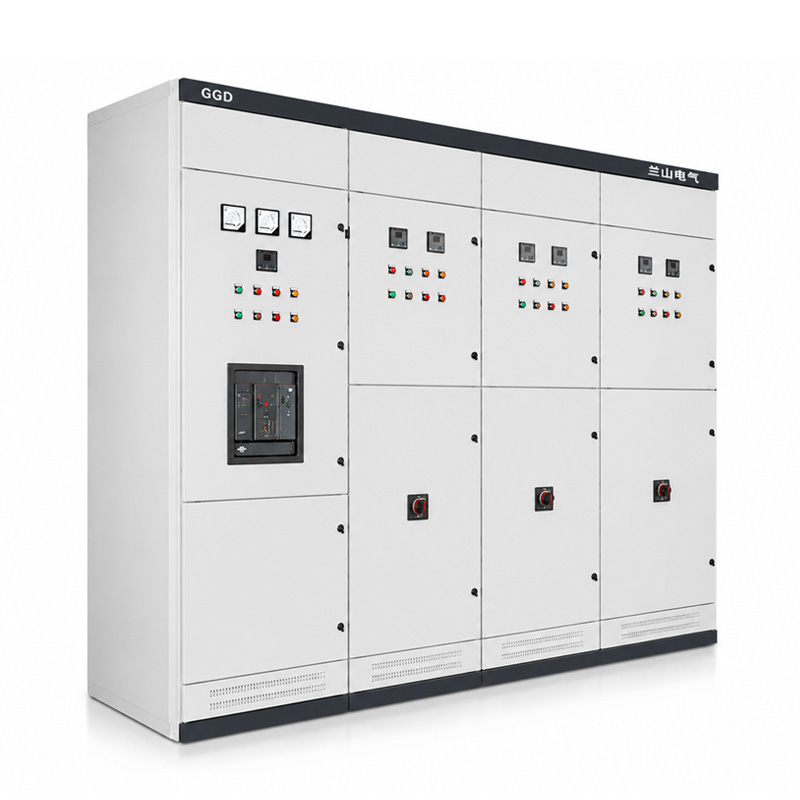
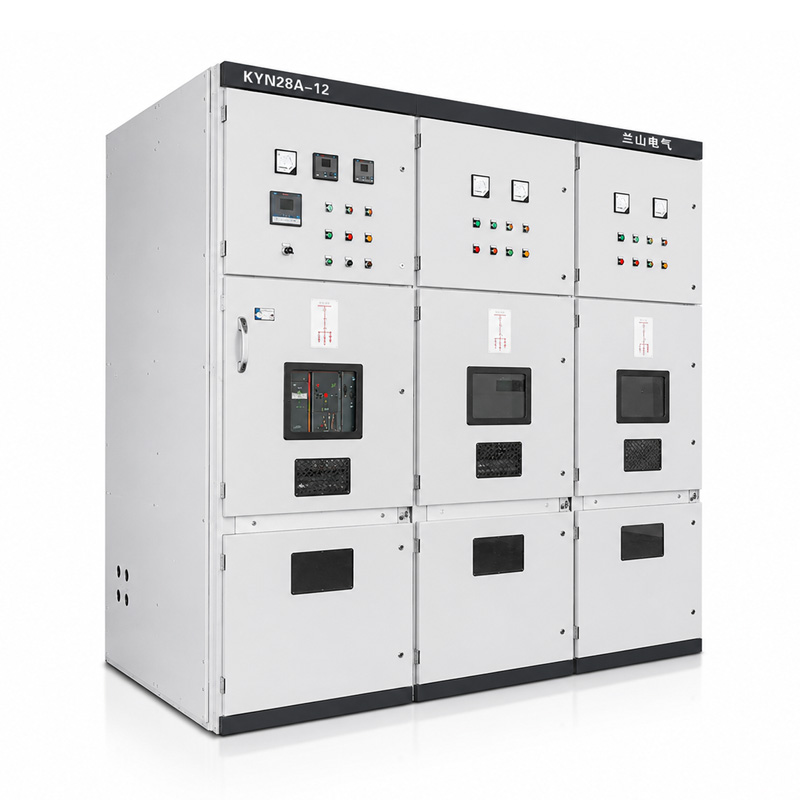
Lemari distribusi dalam ruangan biasanya dipasang di lingkungan yang dilindungi di mana peralatan tidak terkena langsung kondisi cuaca.
Aplikasi indoor yang umum termasuk:
- Workshop manufaktur
- Gedung perkantoran komersial
- Data center
- Shopping mall
- Sistem tenaga pabrik internal
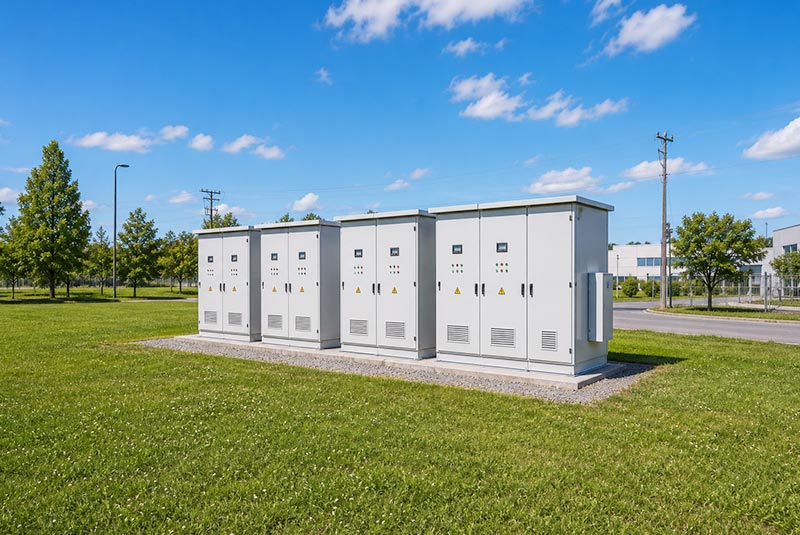
Lemari distribusi luar ruangan dirancang untuk paparan langsung terhadap kondisi lingkungan.
Aplikasi luar ruangan yang umum meliputi:
- Proyek energi surya
- Lokasi pembangunan infrastruktur
- Jaringan distribusi daya utilitas
- Sistem telekomunikasi
- Proyek teknik sementara
Lingkungan sekitar secara langsung mempengaruhi persyaratan desain kabinet.
Bandingkan Kinerja Perlindungan
Perbedaan teknis terbesar antara lemari indoor dan outdoor adalah kemampuan perlindungan lingkungan.
Lemari Distribusi Dalam Ruangan
Keuntungan:
- Biaya produksi lebih rendah
- Akses perawatan yang lebih mudah
- Desain struktural yang lebih sederhana
- Lebih cocok untuk lingkungan yang terkendali
Keterbatasan:
- Tidak dapat menangani kelembaban berat atau paparan hujan
- Resistensi yang lebih rendah terhadap debu dan kontaminasi lingkungan
Lemari Distribusi Luar Ruangan
Keuntungan:
- Tahan cuaca yang kuat
- Perlindungan yang lebih baik terhadap hujan dan kelembapan
- Cocok untuk lingkungan industri yang keras
- Daya tahan struktural yang lebih tinggi
Keterbatasan:
- Biaya produksi yang lebih tinggi
- Desain kandang yang lebih kompleks
Memilih hanya berdasarkan harga sering menimbulkan masalah operasional di masa depan.
Pertimbangkan Biaya Pemeliharaan Jangka Panjang
Banyak pembeli fokus pada biaya pembelian awal sementara mengabaikan biaya pemeliharaan jangka panjang.
Sebelum membeli, pembeli harus mengevaluasi:
- Lingkungan operasi yang diharapkan
- Frekuensi pemeriksaan peralatan
- Aksesibilitas perbaikan di masa depan
- Persyaratan perlindungan lingkungan
- Daya tahan peralatan jangka panjang
Terkadang investasi awal yang lebih tinggi menciptakan biaya operasional jangka panjang yang lebih rendah.
Kemampuan Pemasok Penting
Bahkan desain produk yang benar hanya efektif bila didukung oleh kemampuan manufaktur profesional.
Pembeli berpengalaman biasanya memverifikasi:
- Kepatuhan sertifikasi Pusat Sertifikasi Mutu Tiongkok
- Prosedur pengujian kualitas pabrik
- Konsistensi kualitas bahan
- Kemampuan kustomisasi teknik
- Standar kemasan ekspor yang andal
- Pengalaman pasokan proyek luar negeri
Pemasok yang andal memberikan keamanan proyek jangka panjang yang lebih baik.
Rekomendasi Akhir
Tidak ada jawaban universal ketika memilih antara lemari distribusi indoor dan outdoor.
Jika lingkungan pemasangan terlindungi dan stabil, lemari dalam ruangan mungkin menawarkan efisiensi biaya yang lebih baik.
Jika proyek membutuhkan paparan kondisi lingkungan yang sulit, lemari luar ruangan memberikan keandalan jangka panjang yang lebih baik.
Memilih produk yang tepat berdasarkan kondisi proyek yang sebenarnya selalu mengarah pada kinerja operasional yang lebih baik.