When planning an electrical distribution system, many project managers focus heavily on technical specifications such as voltage capacity, load requirements, and protection systems. However, one purchasing decision that is often underestimated is choosing between an Indoor Distribution Cabinet and an Outdoor Distribution Cabinet.
While both products serve the same basic purpose of controlling and distributing electrical power, selecting the wrong installation type can lead to higher maintenance costs, reduced equipment lifespan, and unnecessary operational risks.
So how do professional buyers determine which option is better for their project?
First, Understand the Installation Environment
The operating environment is usually the most important factor when selecting distribution cabinets.
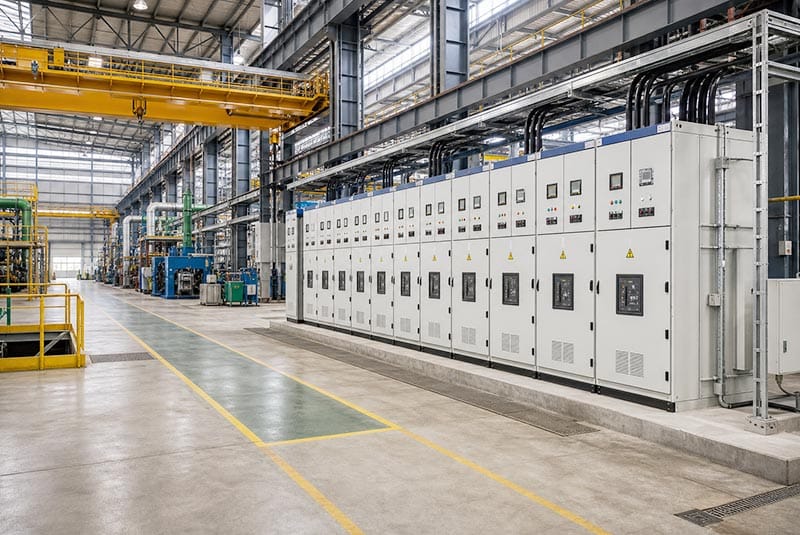
Indoor distribution cabinets are typically installed in protected environments where equipment is not exposed directly to weather conditions.
Common indoor applications include:
- Manufacturing workshops
- Commercial office buildings
- Data centers
- Shopping malls
- Internal factory power systems
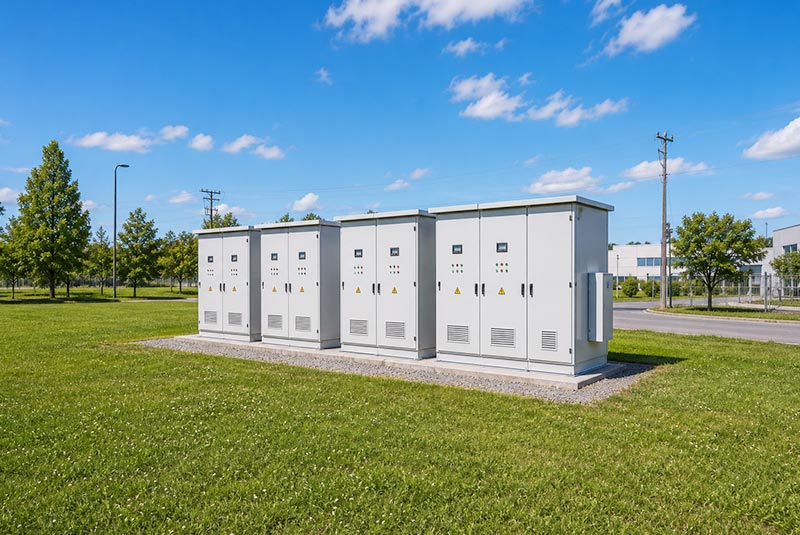
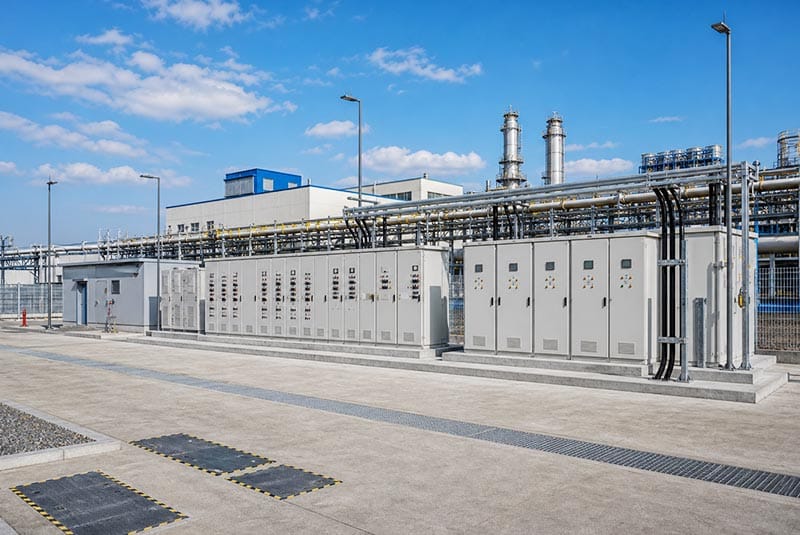
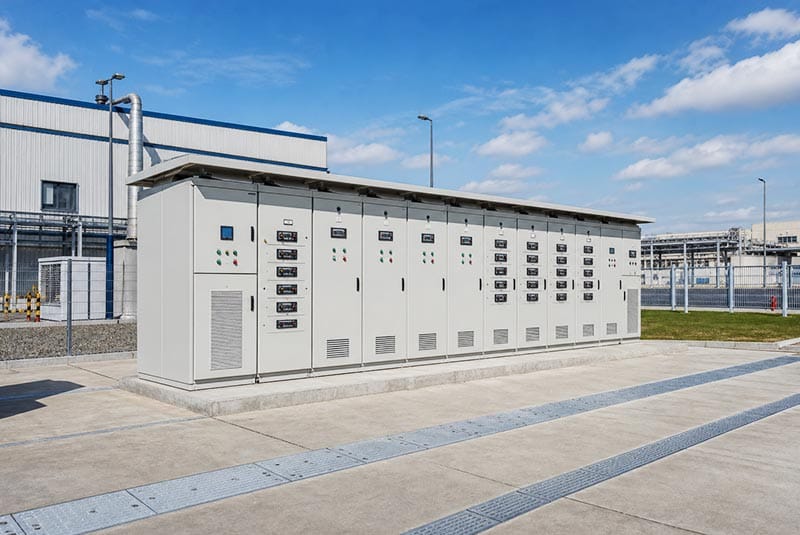
Outdoor distribution cabinets are designed for direct exposure to environmental conditions.
Common outdoor applications include:
- Solar energy projects
- Infrastructure construction sites
- Utility power distribution networks
- Telecommunications systems
- Temporary engineering projects
The surrounding environment directly affects cabinet design requirements.
Compare Protection Performance
The biggest technical difference between indoor and outdoor cabinets is environmental protection capability.
Indoor Distribution Cabinets
Advantages:
- Lower manufacturing cost
- Easier maintenance access
- Simpler structural design
- Better suited for controlled environments
Limitations:
- Cannot handle heavy moisture or rain exposure
- Lower resistance to dust and environmental contamination
Outdoor Distribution Cabinets
Advantages:
- Strong weather resistance
- Better protection against rain and humidity
- Suitable for harsh industrial environments
- Higher structural durability
Limitations:
- Higher production cost
- More complex enclosure design
Choosing based only on price often creates future operational problems.
Consider Long-Term Maintenance Costs
Many buyers focus on initial purchasing cost while ignoring long-term maintenance expenses.
Before purchasing, buyers should evaluate:
- Expected operating environment
- Frequency of equipment inspection
- Future repair accessibility
- Environmental protection requirements
- Long-term equipment durability
Sometimes higher initial investment creates lower long-term operating cost.
Supplier Capability Matters
Even the correct product design is only effective when supported by professional manufacturing capability.
Experienced buyers usually verify:
- Trung tâm Chứng nhận Chất lượng Trung Quốc tuân thủ chứng nhận
- Factory quality testing procedures
- Material quality consistency
- Engineering customization capability
- Reliable export packaging standards
- Overseas project supply experience
Reliable suppliers provide better long-term project security.
Final Recommendation
There is no universal answer when choosing between indoor and outdoor distribution cabinets.
If the installation environment is protected and stable, indoor cabinets may offer better cost efficiency.
If the project requires exposure to difficult environmental conditions, outdoor cabinets provide better long-term reliability.
Choosing the right product based on actual project conditions always leads to better operational performance.