Table of Contents
Transformer Loss Evaluation should be settled around the project interface it controls. Energy cost depends on energization hours and the load profile, making a single efficiency number insufficient for bid comparison. The useful buying decision is therefore a documented requirement tied to the actual equipment, operating conditions and responsibility for approval.
This guide examines transformer loss evaluation for buyers and engineering teams evaluating power transformers. It connects the inquiry inputs to the offered configuration, the evidence required before release and the records needed at handover. Any example is a planning scenario rather than a claim about a completed customer project.
Transformer Loss Evaluation: define the decision boundary
A time-weighted comparison explains how utilization affects energy cost. One efficiency figure or a lower total kWh reading cannot establish every saving claim.
The immediate question for transformer loss evaluation is whether the offered configuration addresses the declared duty and the receiving site. Lower production or shorter energization hours can be mistaken for improved equipment efficiency. Put the decision owner and approval milestone beside the requirement so that purchasing does not have to infer engineering acceptance from a product name.
Inputs that make transformer loss evaluation reviewable
Before asking suppliers to commit to transformer loss evaluation, assemble the following information. Use the current project revision and mark any unresolved value as pending. A provisional value should remain visible as an assumption until the responsible designer confirms it.
- Guaranteed No-Load And Load Losses Or Measured Energy Boundary.
- Operating Hours And Load Profile.
- Cost Assumptions.
- Comparable Production Basis.
For transformer loss evaluation, keep the input schedule with the approved drawings. If the site, cable arrangement, load or control boundary changes, identify the affected input and ask whether the accepted configuration still applies. This gives the owner a practical change record instead of an untraceable chain of email assumptions.
Compare the evidence behind transformer loss evaluation
| Comparison point | A reviewable offer | A question still requiring resolution |
|---|---|---|
| Decision basis | A time-weighted comparison explains how utilization affects energy cost. | General model name or a nominal rating with no interface definition |
| Project inputs | Guaranteed no-load and load losses or measured energy boundary; operating hours and load profile | Unstated assumptions copied from a different installation |
| Verification | Keep input assumptions visible, compare equivalent conditions and distinguish measured values from modeled estimates. | A claim or photograph without its applicable configuration |
| Site completion | Approved field connections and installed-condition records | Factory completion treated as proof of every site interface |
The comparison is a way to expose missing information for transformer loss evaluation; it is not a ranking of brands or a declaration that one construction is suitable for every site. A simpler offer can be appropriate when it satisfies the actual boundary. A more elaborate option still needs evidence for the features on which the project relies.
Loss comparisons need a time-weighted view
For transformer loss evaluation, this interface should be checked before the configuration is released. No-load losses occur while the transformer is energized, while load losses vary with current and the stated reference conditions. Compare guaranteed losses on the same basis and use a representative operating profile to estimate energy consumption. A lightly loaded unit can have a different economic balance from one operating near its rating for long periods.
Use the project's electricity cost and evaluation horizon as transparent assumptions. Do not turn a catalogue efficiency figure into a universal payback claim. A useful bid comparison shows equipment price, declared loss values and the estimated cost under the same scenarios, allowing the owner to see how the result changes when utilization changes.
Record the conclusion alongside the transformer loss evaluation input schedule so the next reviewer can identify its basis.
Sound data need a defined measurement basis
The transformer loss evaluation decision also depends on the connected equipment and its documented conditions. Distinguish the transformer's declared sound information from the noise level expected at a site boundary. Measurement method, operating condition and cooling equipment can affect the declared value. The acoustic designer should consider the enclosure, ventilation openings, reflections and distance to sensitive locations.
Do not compare values measured on different bases as if they were interchangeable guarantees. If the project has a specific noise requirement, define the acceptance method and who is responsible for the installed result. Preserve those assumptions in the procurement schedule. This avoids discovering after delivery that an equipment sound value was interpreted as a complete site acoustic prediction.
If this interface changes, reopen the affected transformer loss evaluation assumption before accepting the revised arrangement.
Separate nameplate capacity from the operating profile
A useful transformer loss evaluation review follows the physical or electrical boundary described below. Begin with the expected load over time, including continuous duty, peaks, standby periods and future additions. Connected kW alone does not determine transformer kVA because power factor and simultaneity affect apparent power. Nonlinear loads and unusual cycles may require additional thermal review.
Show each planned operating scenario separately rather than hiding growth in an arbitrary margin. The supplier should state the service conditions associated with the offered rating. A screening calculation helps compare options, while the final design needs the complete electrical and environmental basis. Preserving that distinction prevents a preliminary estimate from becoming an undocumented guarantee for every later site condition.
Keep the applicable evidence with the transformer loss evaluation approval rather than relying on an unrelated catalogue example.
Energization duty should be distinguished from load
When assessing transformer loss evaluation, give this supporting requirement a named owner and evidence item. Transformer energization can produce a transient current that differs from sustained demand and from a fault. Protection coordination should account for the supplied transformer's characteristics and the relevant network conditions. Avoid resolving nuisance operation by simply increasing settings without a study, because sensitivity to genuine faults can be affected.
The supplier and protection designer should exchange the required data before settings are approved. Factory evidence can support the equipment characteristics, while commissioning verifies the installed protection and wiring. Keep the distinction between energization behavior and continuous loading visible in technical discussions so one current value is not used to answer several different design questions.
The final transformer loss evaluation decision should state any limitation that remains at this interface.
Daily cycles should be represented explicitly
For transformer loss evaluation, this interface should be checked before the configuration is released. A solar plant may experience repeated changes in load, ambient temperature and solar exposure. An EV charging site may have short demand peaks or managed limits. Show these patterns as operating scenarios rather than choosing a capacity from the single highest nameplate total.
The transformer supplier should review the thermal implications under the stated service conditions. Off-peak periods can still include energization losses and auxiliary demand. Where the owner expects overload operation, obtain explicit evidence and limitations instead of assuming unused capacity during another period guarantees it. A clear operating profile improves both technical evaluation and the usefulness of later condition monitoring.
Record the conclusion alongside the transformer loss evaluation input schedule so the next reviewer can identify its basis.
Containment is a site design interface
The transformer loss evaluation decision also depends on the connected equipment and its documented conditions. Provide the declared fluid volume and transformer arrangement to the civil and environmental designers. Containment, drainage, separation and fire provisions depend on the applicable local requirements and site conditions. An equipment supplier's enclosure or tank does not settle the entire installation design.
Identify who designs and supplies the relevant site works, and coordinate them with access and cooling. Rainwater management and maintenance of containment systems may also need an owner procedure. Avoid specifying a universal containment percentage without the project's design basis. The procurement file should preserve the equipment information needed by the site designer and make any excluded civil scope explicit.
If this interface changes, reopen the affected transformer loss evaluation assumption before accepting the revised arrangement.
Room ventilation should remove actual losses
A useful transformer loss evaluation review follows the physical or electrical boundary described below. The room design should account for transformer heat dissipation and the path from cooling air inlet to outlet. Recirculation of hot discharge air can reduce effective cooling even when an opening appears large. Coordinate the transformer supplier's required clearances and loss information with the building services designer.
Include other heat sources in the room and operating states with reduced ventilation availability. Avoid using a universal room opening rule without checking the actual arrangement. The useful design output is a coordinated heat removal plan with responsibilities for fans, controls and maintenance. During commissioning, record the installed condition so later changes to room services can be assessed against the original basis.
Keep the applicable evidence with the transformer loss evaluation approval rather than relying on an unrelated catalogue example.
Cooling ratings need their associated dependencies
When assessing transformer loss evaluation, give this supporting requirement a named owner and evidence item. Distinguish natural cooling capability from any higher rating that depends on fans or another forced cooling arrangement. Identify fan supply, control thresholds, alarms and the permitted operating response if forced cooling becomes unavailable. The auxiliary system is part of the availability question.
Outdoor location does not guarantee sufficient airflow if walls, radiators or nearby equipment obstruct heat rejection. The manufacturer should state the service conditions and limitations for the offered configuration. Keep those conditions in the approved schedule. This allows the owner to plan operation around actual cooling capability instead of treating the largest advertised capacity as continuously available under every circumstance.
The final transformer loss evaluation decision should state any limitation that remains at this interface.
Acceptance evidence for transformer loss evaluation
Keep input assumptions visible, compare equivalent conditions and distinguish measured values from modeled estimates.
Use a requirement-to-evidence register for transformer loss evaluation. Each entry should name the requirement, offered configuration, supporting drawing or report, approving party and any remaining site check. A response such as standard design or available on request should remain an open item until the relevant information is supplied and reviewed.
When transformer loss evaluation affects construction, do not release the dependent site work from an unapproved drawing. When it affects protection or control, preserve the approved settings or sequence. When it affects service access, retain the accepted layout and the permitted method. These are different evidence types, and a single general compliance statement cannot replace them all.
Technical framework and supplier scope
Consult the IEC 60076-1 public scope for the relevant public background. IEC 60076-1 provides the general power-transformer standard framework. Confirm the applicable parts and project-required edition with the responsible engineer. The reference identifies a technical framework and does not certify a particular transformer or replace its supplied test records.
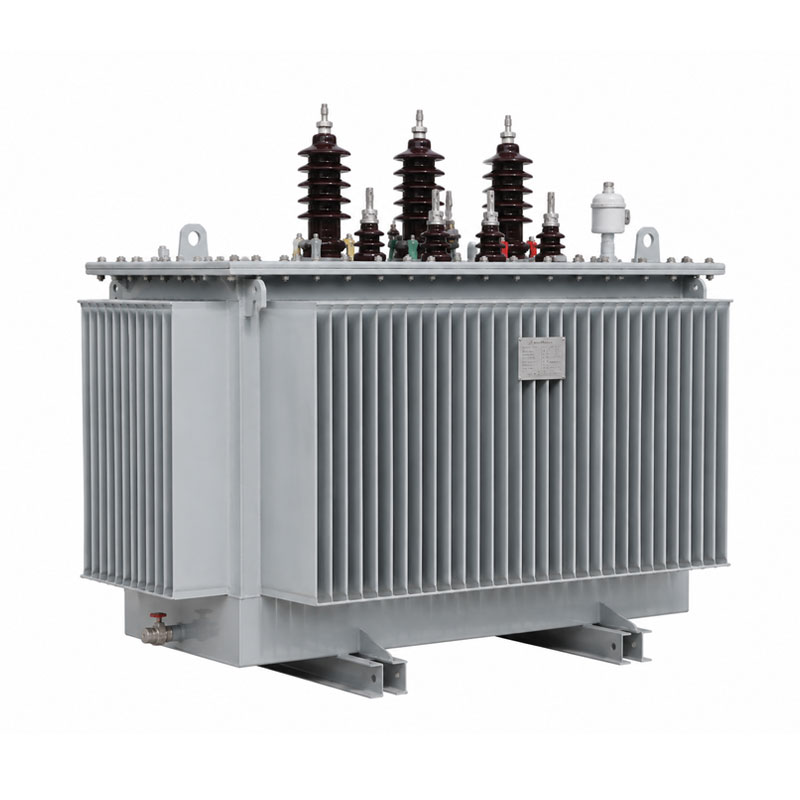
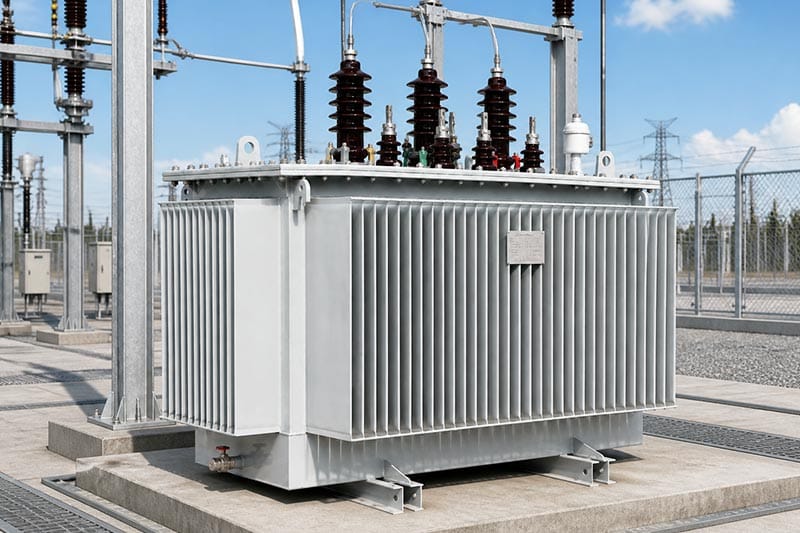
Lanshan lists Oil Immersed Transformer within its product portfolio. For transformer loss evaluation, ask the team to confirm the exact offered configuration and its evidence. Series-level ranges or options on a product page should not be assumed to apply to every unit. The power transformers category provides the wider product context.
Prepare a transformer loss evaluation inquiry
Send Lanshan the current single-line diagram or relevant system layout, the input items above and the decision deadline. Highlight transformer loss evaluation in the inquiry and identify any fixed site interface or required acceptance evidence. Ask for a technical response and a visible deviation schedule before comparing the commercial offer.
For interfaces involving installation, integration or commissioning, define the required responsibility boundary with the team through its power engineering and construction service. A focused inquiry gives both parties a clearer basis for confirming equipment scope and the next engineering review.
Frequently asked questions
What information is needed to assess transformer loss evaluation?
Start with guaranteed no-load and load losses or measured energy boundary; operating hours and load profile; cost assumptions; comparable production basis. Use current project documents and identify unresolved assumptions. For transformer loss evaluation, the supplier response should connect those inputs to the exact proposed configuration.
Can a catalogue alone confirm transformer loss evaluation?
No. Energy cost depends on energization hours and the load profile, making a single efficiency number insufficient for bid comparison. A catalogue can introduce options, but the actual interface and applicable evidence must be reviewed before transformer loss evaluation is accepted for the project.
How should buyers compare transformer loss evaluation offers?
A time-weighted comparison explains how utilization affects energy cost. One efficiency figure or a lower total kWh reading cannot establish every saving claim. Compare scope and evidence on the same basis, then record any transformer loss evaluation deviation before ranking prices.
What should acceptance verify for transformer loss evaluation?
Keep input assumptions visible, compare equivalent conditions and distinguish measured values from modeled estimates. Keep the result linked to the supplied equipment and the final project revision so the transformer loss evaluation decision can be traced later.
When should transformer loss evaluation be reviewed again?
Lower production or shorter energization hours can be mistaken for improved equipment efficiency. Revisit transformer loss evaluation whenever a changed input, substituted component or altered site interface affects the accepted basis. Obtain approval for the affected condition and update the as-built record.