Table of Contents
Switchgear Internal Arc should be settled around the project interface it controls. Accessibility sides, current, duration and pressure relief conditions must match the offered assembly and installation. The useful buying decision is therefore a documented requirement tied to the actual equipment, operating conditions and responsibility for approval.
This guide examines switchgear internal arc for buyers and engineering teams evaluating medium voltage switchgear. It connects the inquiry inputs to the offered configuration, the evidence required before release and the records needed at handover. Any example is a planning scenario rather than a claim about a completed customer project.
Switchgear Internal Arc: define the decision boundary
Evidence matched to the offered arrangement supports a bounded technical evaluation. A general arc-resistant label does not identify the conditions demonstrated.
The immediate question for switchgear internal arc is whether the offered configuration addresses the declared duty and the receiving site. A blocked relief path or changed room arrangement can make a previously reviewed configuration inapplicable. Put the decision owner and approval milestone beside the requirement so that purchasing does not have to infer engineering acceptance from a product name.
Inputs that make switchgear internal arc reviewable
Before asking suppliers to commit to switchgear internal arc, assemble the following information. Use the current project revision and mark any unresolved value as pending. A provisional value should remain visible as an assumption until the responsible designer confirms it.
- Declared Tested Arrangement.
- Relevant Accessibility And Sides.
- Test Current And Duration Where Applicable.
- Installed Exhaust And Clearance Conditions.
For switchgear internal arc, keep the input schedule with the approved drawings. If the site, cable arrangement, load or control boundary changes, identify the affected input and ask whether the accepted configuration still applies. This gives the owner a practical change record instead of an untraceable chain of email assumptions.
Compare the evidence behind switchgear internal arc
| Comparison point | A reviewable offer | A question still requiring resolution |
|---|---|---|
| Decision basis | Evidence matched to the offered arrangement supports a bounded technical evaluation. | General model name or a nominal rating with no interface definition |
| Project inputs | Declared tested arrangement; relevant accessibility and sides | Unstated assumptions copied from a different installation |
| Verification | Compare the offer and site drawing with the supporting evidence. Record differences and obtain an approved technical assessment before construction release. | A claim or photograph without its applicable configuration |
| Site completion | Approved field connections and installed-condition records | Factory completion treated as proof of every site interface |
The comparison is a way to expose missing information for switchgear internal arc; it is not a ranking of brands or a declaration that one construction is suitable for every site. A simpler offer can be appropriate when it satisfies the actual boundary. A more elaborate option still needs evidence for the features on which the project relies.
Internal arc evidence depends on installation
For switchgear internal arc, this interface should be checked before the configuration is released. An internal arc classification needs its declared accessibility, tested sides, current and duration, together with the conditions of the tested arrangement. Room geometry, exhaust paths and adjacent surfaces can matter to the installed result. Do not infer arc performance from a metal enclosure, pressure flap or product family name.
Ask for evidence applicable to the offered assembly and an explanation of any differences from the tested configuration. The room designer should review exhaust ducts, overhead services and access locations against those conditions. Keep this review separate from the protection study and operating procedures. A tested classification is useful evidence within its stated scope and cannot be converted into a promise of zero risk.
Record the conclusion alongside the switchgear internal arc input schedule so the next reviewer can identify its basis.
Relay coordination needs current network data
The switchgear internal arc decision also depends on the connected equipment and its documented conditions. Protection settings should be derived from a study that uses the relevant source, transformer, cable and load information. Include minimum as well as maximum fault conditions where the designer requires them, because sensitivity and clearing time can be challenged by different network states. A higher relay feature count does not establish selectivity.
Identify who approves settings, loads them into the devices and verifies the final versions. The handover file should contain setting files and readable schedules, with revision dates and feeder identifiers. Factory tests can verify relay functions and wiring, while site testing must close interfaces that depend on the installed network and final protection study.
If this interface changes, reopen the affected switchgear internal arc assumption before accepting the revised arrangement.
Busbar joints require controlled assembly
A useful switchgear internal arc review follows the physical or electrical boundary described below. Where a lineup is shipped in sections, identify every field busbar joint and the associated insulation, hardware and access requirements. The manufacturer should provide surface preparation, assembly and tightening instructions for the actual joint system. Site staff should record inspection and assembly results rather than substituting a generic torque value.
Cable forces and misaligned foundations can affect the final arrangement, so check cabinet alignment before making connections. Keep joint records linked to shipping section and panel identifiers. If a damaged surface or missing component is discovered, obtain an approved disposition before energization. Closing a cover should be the end of a documented assembly process, not the only evidence that the interface was completed.
Keep the applicable evidence with the switchgear internal arc approval rather than relying on an unrelated catalogue example.
Earthing continuity crosses transport boundaries
When assessing switchgear internal arc, give this supporting requirement a named owner and evidence item. The protective earthing arrangement should show the main earth bar, branch connections and the intended bonds to accessible conductive parts. Shipping splits, removable doors and gland plates can introduce interfaces that require inspection after assembly. Define the external connection points and the responsibilities of the switchgear supplier and site contractor.
The project earthing designer must coordinate the equipment connections with the site's earthing system. Verify continuity using the specified inspection and test method, and record the installed condition. A drawing showing an earth symbol is useful design information but is not evidence that every physical bond was fitted correctly after transport and cable installation.
The final switchgear internal arc decision should state any limitation that remains at this interface.
Insulation technology changes service obligations
For switchgear internal arc, this interface should be checked before the configuration is released. Air, gas and solid insulation arrangements have different exposed surfaces, sealed sections and service methods. Ask what can be inspected, repaired or replaced at site and what requires a specialist or complete unit replacement. Where a gas system is supplied, obtain the declared gas information, supervision method and applicable handling obligations.
Avoid assuming that a family designation establishes the exact medium or that a sealed compartment needs no lifecycle planning. The commercial offer should identify service resources and end-of-life responsibilities. Compare those requirements with the owner's location and maintenance capability, especially for remote sites where specialist attendance may govern outage duration.
Record the conclusion alongside the switchgear internal arc input schedule so the next reviewer can identify its basis.
Room planning includes a removal route
The switchgear internal arc decision also depends on the connected equipment and its documented conditions. Check the operating aisle, rear or side access where required, door swing and the route for replacing a breaker or other large component. Include handling equipment and the finished condition of walls, cable trenches and overhead services. Exhaust provisions must remain unobstructed if they form part of the approved arrangement.
Avoid using a catalogue footprint as the entire room space requirement. Ask for a layout that identifies operating and service zones separately. Civil and building services teams should sign off the interfaces before construction release. A practical layout allows the intended tasks to be performed without dismantling unrelated building elements or improvising a new handling route during an outage.
If this interface changes, reopen the affected switchgear internal arc assumption before accepting the revised arrangement.
Remote operation needs local authority and feedback
A useful switchgear internal arc review follows the physical or electrical boundary described below. Define local and remote modes, command ownership and the response to an incomplete or rejected action. A remote close command should not bypass electrical or mechanical interlocks. Status feedback must distinguish open, closed, intermediate and invalid states where the design supports them.
Include loss of communication and loss of motor supply in functional testing. The operator needs to know whether the device moved and whether the received indication is current. A motorized mechanism and a communications port are individual capabilities, not a complete automation specification. The approved point list and control narrative should connect those capabilities to a usable operating sequence.
Keep the applicable evidence with the switchgear internal arc approval rather than relying on an unrelated catalogue example.
Service continuity is an access question
When assessing switchgear internal arc, give this supporting requirement a named owner and evidence item. Loss of service continuity categories describe conditions associated with accessing particular compartments and retaining other parts in service. Start with the maintenance tasks the owner expects to perform, then identify the necessary electrical boundaries. Do not select a category solely because its designation sounds more advanced.
The offered assembly layout and access instructions should support the intended task. Review cable, breaker and busbar compartments separately, including shutters and earthing arrangements. An owner may still choose a broader outage than the equipment classification allows. Record the agreed approach in the operations plan so purchasing, installation and maintenance teams use the same meaning when discussing continuity and access.
The final switchgear internal arc decision should state any limitation that remains at this interface.
Acceptance evidence for switchgear internal arc
Compare the offer and site drawing with the supporting evidence. Record differences and obtain an approved technical assessment before construction release.
Use a requirement-to-evidence register for switchgear internal arc. Each entry should name the requirement, offered configuration, supporting drawing or report, approving party and any remaining site check. A response such as standard design or available on request should remain an open item until the relevant information is supplied and reviewed.
When switchgear internal arc affects construction, do not release the dependent site work from an unapproved drawing. When it affects protection or control, preserve the approved settings or sequence. When it affects service access, retain the accepted layout and the permitted method. These are different evidence types, and a single general compliance statement cannot replace them all.
Technical framework and supplier scope
Consult the IEC 62271-200 public scope for the relevant public background. For metal-enclosed AC switchgear, the IEC public scope identifies the equipment class covered by IEC 62271-200. Use the project-required edition and relevant amendments in the technical specification. The catalogue abstract is a scope reference, not a substitute for the full standard or evidence for a particular supplied unit.
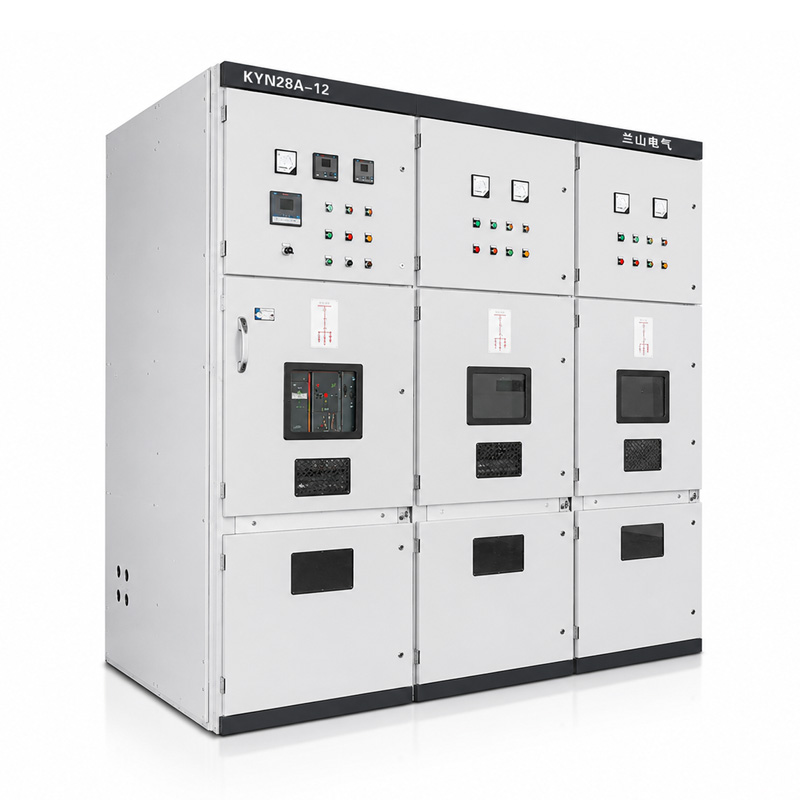
Lanshan lists KYN28A-12 Armored Removable AC Metal-Enclosed Switchgear within its product portfolio. For switchgear internal arc, ask the team to confirm the exact offered configuration and its evidence. Series-level ranges or options on a product page should not be assumed to apply to every unit. The medium voltage switchgear category provides the wider product context.
Prepare a switchgear internal arc inquiry
Send Lanshan the current single-line diagram or relevant system layout, the input items above and the decision deadline. Highlight switchgear internal arc in the inquiry and identify any fixed site interface or required acceptance evidence. Ask for a technical response and a visible deviation schedule before comparing the commercial offer.
For interfaces involving installation, integration or commissioning, define the required responsibility boundary with the team through its power engineering and construction service. A focused inquiry gives both parties a clearer basis for confirming equipment scope and the next engineering review.
Frequently asked questions
What information is needed to assess switchgear internal arc?
Start with declared tested arrangement; relevant accessibility and sides; test current and duration where applicable; installed exhaust and clearance conditions. Use current project documents and identify unresolved assumptions. For switchgear internal arc, the supplier response should connect those inputs to the exact proposed configuration.
Can a catalogue alone confirm switchgear internal arc?
No. Accessibility sides, current, duration and pressure relief conditions must match the offered assembly and installation. A catalogue can introduce options, but the actual interface and applicable evidence must be reviewed before switchgear internal arc is accepted for the project.
How should buyers compare switchgear internal arc offers?
Evidence matched to the offered arrangement supports a bounded technical evaluation. A general arc-resistant label does not identify the conditions demonstrated. Compare scope and evidence on the same basis, then record any switchgear internal arc deviation before ranking prices.
What should acceptance verify for switchgear internal arc?
Compare the offer and site drawing with the supporting evidence. Record differences and obtain an approved technical assessment before construction release. Keep the result linked to the supplied equipment and the final project revision so the switchgear internal arc decision can be traced later.
When should switchgear internal arc be reviewed again?
A blocked relief path or changed room arrangement can make a previously reviewed configuration inapplicable. Revisit switchgear internal arc whenever a changed input, substituted component or altered site interface affects the accepted basis. Obtain approval for the affected condition and update the as-built record.