A dry type transformer can meet a building’s electrical demand and still be difficult to live with. The equipment room may be too warm, the replacement route too narrow, or the proposed location too close to quiet occupied spaces.
For offices, hotels and retail developments, selecting the unit and designing its room should be one coordinated decision. Start with the building’s daily operation, then check cooling, environmental exposure, sound requirements and maintenance access before approving the equipment.
Table of Contents
When a Dry Type Transformer Fits an Indoor Project
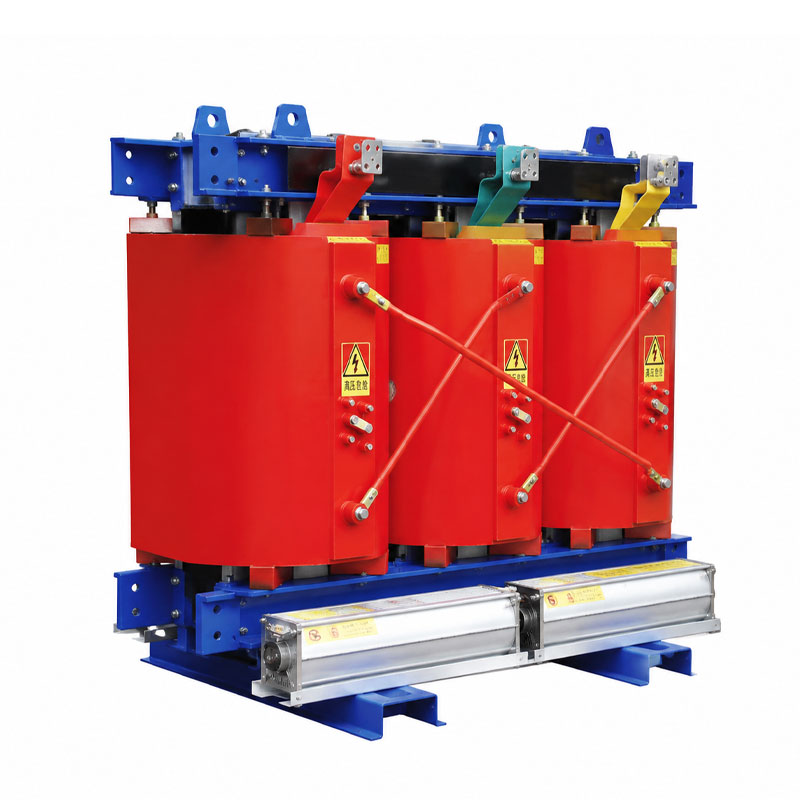
A dry type transformer uses a solid insulation system without an insulating-oil bath. That makes it a candidate where keeping insulating oil out of an indoor electrical room is a project objective. It does not remove the need for appropriate protection, cooling and installation design.
This article focuses on medium-voltage-to-low-voltage building distribution, rather than small low-voltage control transformers. IEC 60076-11 covers dry-type power transformers within its scope, including equipment with at least one winding operating above 1.1 kV.
An indoor location alone is not enough to approve a dry type transformer. Establish whether the proposed room is dry, adequately ventilated, accessible to authorized personnel and compatible with the selected equipment. For the surrounding system, see Lanshan’s overview of electrical equipment used in commercial buildings.
Start with the Building’s Operating Pattern
Prepare separate load scenarios for occupied hours, overnight operation and planned tenant additions. Describe which equipment runs together rather than simply adding installed nameplate ratings.
For a dry type transformer serving mixed-use premises, consider a hypothetical evening when restaurant kitchens, building cooling and vehicle charging overlap. A schedule based only on office working hours would miss that operating case.
Record the corresponding demand, power factor and duration. Distinguish confirmed expansion from a general allowance, and identify loads that may need supply while other circuits are shut down.
The IEC loading guide for dry-type transformers connects insulation ageing with temperature, loading and time. A short peak and a sustained load therefore deserve separate review; one maximum kVA figure does not describe both duties.
Match the Insulation and Enclosure to the Room
Do not use “dry type” and “cast resin” as interchangeable purchase descriptions. State the required winding construction and ask which windings are cast, encapsulated or otherwise insulated. Confirm the construction actually offered rather than extrapolating from the product-family name.
For each dry type transformer proposal, provide the expected humidity, contamination and storage conditions. Ask for the environmental classification and evidence relevant to that exposure. IEC 60076-11 addresses climatic and environmental classifications as well as enclosure-related performance.
A basement room near plumbing, for example, needs a different exposure review from a clean, controlled electrical room.
An enclosure’s IP classification under IEC 60529 describes defined ingress protection, not the whole installation’s suitability. Review the selected enclosure together with its cable entries and cooling arrangement; do not independently choose a higher IP label and assume every other characteristic remains unchanged.
Size Room Ventilation for Heat Losses, Not Delivered kVA
Keep two quantities separate: the electrical power supplied to the building and the losses released as heat. For a dry type transformer room, request heat-rejection data for the proposed loading conditions, including relevant auxiliaries, rather than treating the unit’s kVA rating as the room’s heat load.
Have the electrical and mechanical engineers agree the heat-balance inputs. IEC 61936-1 addresses applicable installations above 1 kV, including ventilation and transformer-installation considerations.
An Illustrative Ventilation Check
Assume a room must remove 12 kW of heat through ventilation. Also assume a 10 K temperature rise between supply and exhaust air and an air volumetric heat capacity of 1.2 kJ per cubic metre per kelvin.
The ideal steady-state heat balance gives:
Airflow = heat load ÷ (volumetric heat capacity × temperature rise)
Airflow = 12 ÷ (1.2 × 10) = 1 m³/s, or 3,600 m³/h
These are illustrative assumptions, not a Lanshan rating or a ventilation specification. The calculation excludes duct resistance, ineffective air distribution and heat transfer through the room fabric.
For the actual dry type transformer, obtain approved losses and site air properties. Add other room heat sources, evaluate the airflow path and select ventilation equipment at the required operating pressure. An exhaust opening drawn on a plan is not proof of adequate cooling.
Check the source of the incoming air as well. Increasing airflow cannot make the inlet air colder than that source. Include the resistance of proposed filters, acoustic treatments and any required dampers in the mechanical review, rather than selecting a fan from its unrestricted airflow figure alone.
AN and AF Cooling: Define What Happens When Fans Stop
Air-natural cooling, designated AN, relies on natural air circulation. Air-forced cooling, AF, uses fans. Lanshan’s product information lists both as configuration options, but the rating associated with each arrangement must be confirmed for the offered unit.
For a dry type transformer with two cooling ratings, state which supports normal building demand. Ask what loading is permitted if the fans or their auxiliary supply become unavailable.
Do not treat fan assistance as an unspecified reserve. Identify the controls, alarms and operational response needed when that assistance is essential.
Also distinguish transformer fans from room ventilation. Moving air across windings does not, by itself, establish that heat leaves the room. Review both systems together, including nighttime operation and any automatic building-control shutdown schedule.
Specify Noise Where People Will Hear It
Replace “low noise” with a measurable requirement. For a dry type transformer beside offices or below hotel rooms, give the acoustic designer the proposed location, adjacent room uses and expected operating modes.
Do Not Compare Unqualified Decibel Values
Ask whether the declared figure is sound power or sound pressure, which measurement method was used and whether fans were operating. These are different acoustic quantities: ISO 3744, for example, describes deriving source sound power from specified sound-pressure measurements. It is a general measurement reference, not a substitute for the agreed transformer test specification.
Have the acoustic designer review the room, penetrations, mounting arrangement and connections as possible sound-transmission paths. Agree acceptance locations and operating conditions before installation.
For a dry type transformer near sleeping areas, assess the intended nighttime condition rather than accepting only a daytime equipment-room demonstration. A factory measurement and an occupied-room acceptance test answer different project questions.
No Insulating Oil Does Not Mean No Fire Risk
A dry type transformer avoids an insulating-oil inventory, but “oil-free” should never become “fireproof” in the purchase specification. Request the required fire-behavior classification and the evidence applicable to the offered construction. IEC 60076-11 includes fire-behavior classifications and associated testing considerations.
Keep product classification separate from building approval. Have the electrical and fire-safety designers establish the room’s separation, access, detection and protection requirements under the applicable local rules. Do not transfer a generic fire-resistance duration from an unrelated project.
Review the ventilation design with that strategy as well. The dry type transformer, its room and the building’s protective systems should be assessed together, without assuming a component test approves the complete installation.
Assess Electronic Loads and Harmonics
A dry type transformer may supply drives, uninterruptible power supplies, lighting electronics and charging equipment. Obtain the actual input-current characteristics of significant nonlinear loads rather than assigning the same harmonic assumption to every electronic device.
IEEE C57.110 provides methods for evaluating transformer capability with nonsinusoidal load currents and information for specifying new equipment for such service. A kVA total alone does not establish that capability.
Submit representative operating combinations, available harmonic spectra and the basis of any measurements. Ask the designer to review phase loading and neutral requirements where relevant.
When comparing a dry type transformer proposal, distinguish the ability to carry the specified harmonic load from any separate harmonic-mitigation function. Require evidence for either claim. Do not assume that spare capacity or a generic “suitable for drives” statement resolves the assessment.
Keep Insulation Class and Operating Temperature Separate
Do not read an insulation-class marking as an allowable room-temperature setting. For a dry type transformer, ask for the rated ambient conditions, permitted winding temperature rise and the temperature-monitoring arrangement as separate data items.
The thermal review should use the intended load duration and actual cooling conditions. IEC 60076-12 provides the loading framework relating operating temperature and time to insulation ageing.
Record where sensors are installed and what their readings represent. Agree the fan-control, alarm and trip functions with the supplier and protection engineer rather than copying generic temperature setpoints.
For a dry type transformer installed at altitude or under unusual ambient conditions, obtain a specific capability confirmation. Do not quietly apply catalogue ratings to an unreviewed site.
Compare Commercial Building Scenarios Before Choosing a Model
Use the following matrix to organize a dry type transformer design review. These are illustrative project priorities, not universal specifications for each building category.
| Building scenario | Question to resolve early | Useful design input |
|---|---|---|
| Office building | What changes between occupied and overnight operation? | Time-based load schedule and planned tenant additions |
| Hotel | Are nighttime sound and maintenance interruptions acceptable? | Adjacent-room layout, acoustic criteria and outage plan |
| Retail center | Can cooling, kitchens and charging operate together? | Coincident-demand scenarios and equipment input data |
| Mixed-use development | Which services must remain available during tenant work? | Supply boundaries and permitted operating arrangements |
| Basement electrical room | Can heat and moisture be managed within the available space? | Ventilation design, exposure assessment and access route |
For an actual project, replace each broad category with a measurable requirement. “Hotel application” is much less useful than a marked-up room drawing and an agreed nighttime acoustic target.
Coordinate the Electrical and Physical Interfaces
A dry type transformer must fit the system as well as the floor plan. Confirm the voltage ratio, frequency, vector group, impedance, tapping arrangement and neutral connection requirements.
The IEC transformer application guide addresses connections, fault currents, parallel operation and voltage changes under load. Use the proposed transformer data in the project’s electrical studies rather than selecting it independently of the downstream equipment.
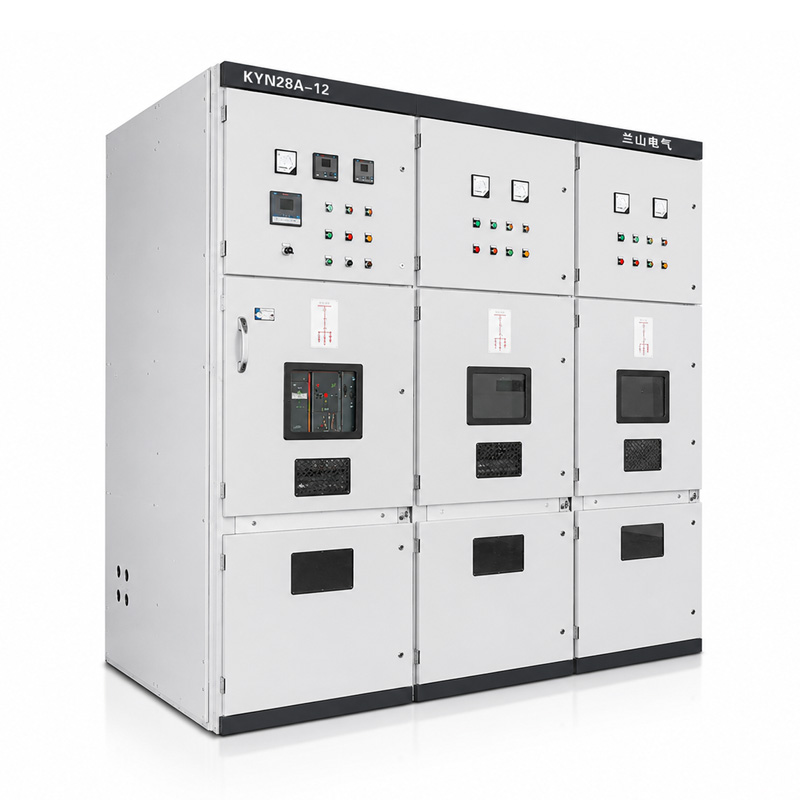
Coordinate terminal positions and connection details with the low voltage switchgear. Identify who approves the bus connection or cable arrangement.
Then check delivery and replacement. Obtain shipping masses, floor reactions, lifting instructions, doorway dimensions and the space needed to remove enclosure panels. A unit that fits through an unfinished building may not fit through the completed replacement route.
Make Maintenance Access Part of the Selection
An oil-free design is not a maintenance-free design. Ask for the dry type transformer maintenance instructions and make sure the room allows those tasks to be performed under an approved isolation procedure.
Request the required inspection points for ventilation openings, winding surfaces, terminals, fans and temperature-monitoring equipment, as applicable. Let the manufacturer and site conditions determine the maintenance plan rather than applying a universal interval.
For a multi-tenant building, identify the expected outage boundary. A single larger unit does not provide a second supply path. Where continuity is important, have the engineer evaluate the complete supply arrangement.
Keep access and safe working distinct from ordinary operation. IEC 61936-1 explicitly separates installation requirements from subsequent maintenance activities and their safe-working procedures. Only appropriately qualified personnel should carry out the work.
Example: A Hotel Room Layout That Changes the Selection
Consider a hypothetical hotel planning a dry type transformer below meeting rooms, beside a service corridor. The preliminary design provides enough nominal capacity, but the ventilation outlet and replacement route are not yet coordinated.
The useful review is not another round of capacity estimates. Ask the mechanical engineer to establish the room heat balance, the acoustic designer to assess the occupied spaces, and the installation team to demonstrate the delivery and removal routes.
Suppose the proposed normal operating condition requires fan assistance, while the initial sound submission describes fans switched off. The documents now describe different operating cases. Request a revised submission covering the condition the building will actually use.
Similarly, check whether the proposed air route remains clear after other services are installed. Resolve the equipment, room and operating requirements on one coordinated drawing set before approving manufacture.
This example does not establish a preferred rating or construction. It shows why a dry type transformer should be selected alongside the building design rather than added after the room is fixed.
What to Confirm in a Lanshan Proposal
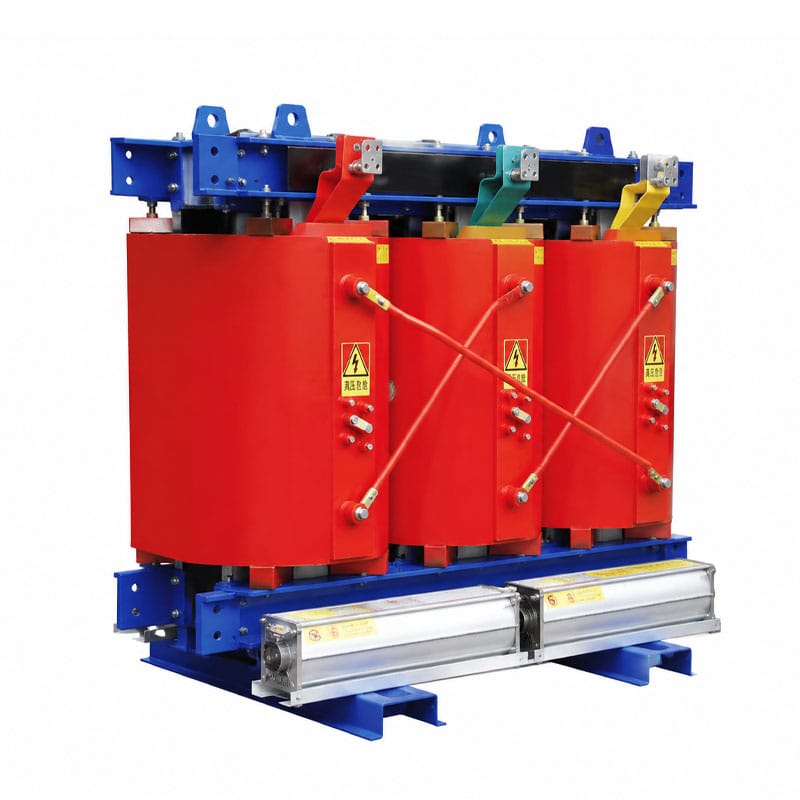
Lanshan’s 10kV dry type transformer lists commercial-building applications, epoxy-resin insulation options, temperature monitoring and configurable cooling and enclosure arrangements. Use that information to start a technical discussion, not as the final guaranteed-data schedule.
Request the exact dry type transformer capacity, voltage ratio, winding construction, losses, cooling ratings, enclosure and installation limits. Identify the required product standard, test evidence and project-specific approvals.
Attach the load profile and electrical-room drawing to the enquiry. Highlight sound-sensitive spaces, ventilation constraints and future additions. Compare proposals against the same inputs, and confirm which published series options apply to the particular unit being offered.
Conclusion
Select a dry type transformer around the building’s operating pattern and room conditions, not capacity alone. Resolve heat removal, sound criteria, fire-safety interfaces and maintenance access while the layout can still change.
Contact Lanshan Electric with your load profile, voltage requirements and room drawing to discuss a configuration suited to the building and its planned operation.
FAQ
Is a dry type transformer suitable for indoor installation?
Yes, when the selected design and installation suit the load, environment, cooling and access requirements. Indoor location alone is not approval; confirm the product characteristics and applicable building requirements together.
Does a dry type transformer need a dedicated air conditioner?
Not necessarily. The room needs an engineered means of removing heat while maintaining the permitted operating conditions. Whether natural ventilation, mechanical ventilation or conditioned air is appropriate depends on the actual heat balance and site constraints.
Can a dry type transformer operate without cooling fans?
Only within the capability confirmed for that condition. Where AN and AF ratings are offered, identify the natural-air rating separately and agree what happens if fan assistance is unavailable. Do not assume the fan-assisted rating remains valid.
Does cast-resin construction make a transformer fireproof?
No. Request the required fire-behavior classification and supporting evidence, while retaining the building’s fire-safety review. A product classification does not remove installation, protection or room-design responsibilities.
What should I send for a commercial-building transformer enquiry?
Provide the load profile, voltage ratio, single-line diagram, room layout and environmental conditions. Add harmonic-load information, sound criteria, cooling expectations and future additions so the proposed configuration can be reviewed against a consistent project brief.