A compact substation can run below its transformer’s nameplate capacity and still develop a temperature problem. The missing detail is often not another kVA calculation, but the path that heat must follow from the equipment to the surrounding air.
Before specifying a larger transformer or adding fans, distinguish excess heat generation from inadequate heat removal. This guide explains how to investigate both, recognize a local electrical hotspot and turn the findings into a better equipment specification.
Table of Contents
Why Does a Compact Substation Overheat?
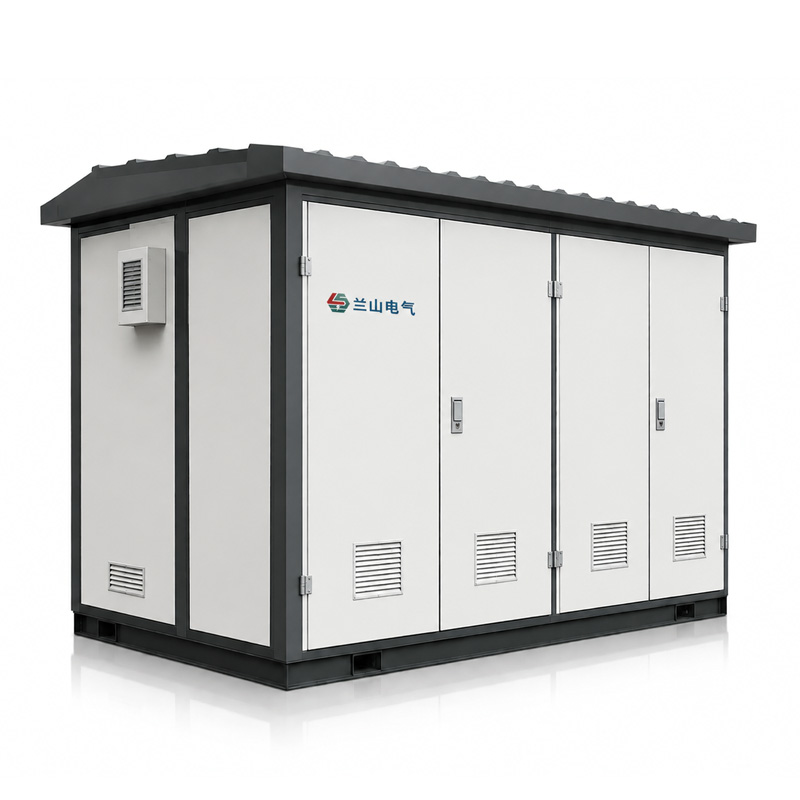
A compact substation becomes too hot when a component exceeds its permitted thermal conditions. Possible contributors include sustained loading, restricted ventilation, high ambient temperature, solar heating, cooling-system failure and localized connection problems. Several can occur together.
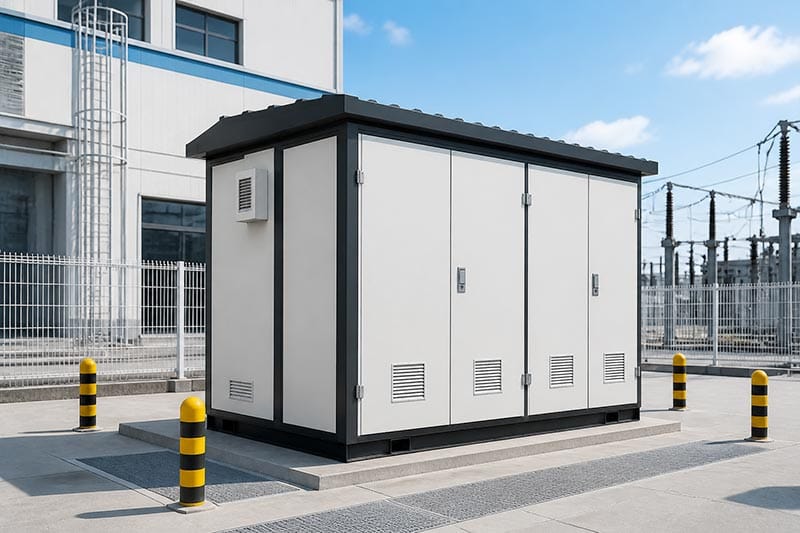
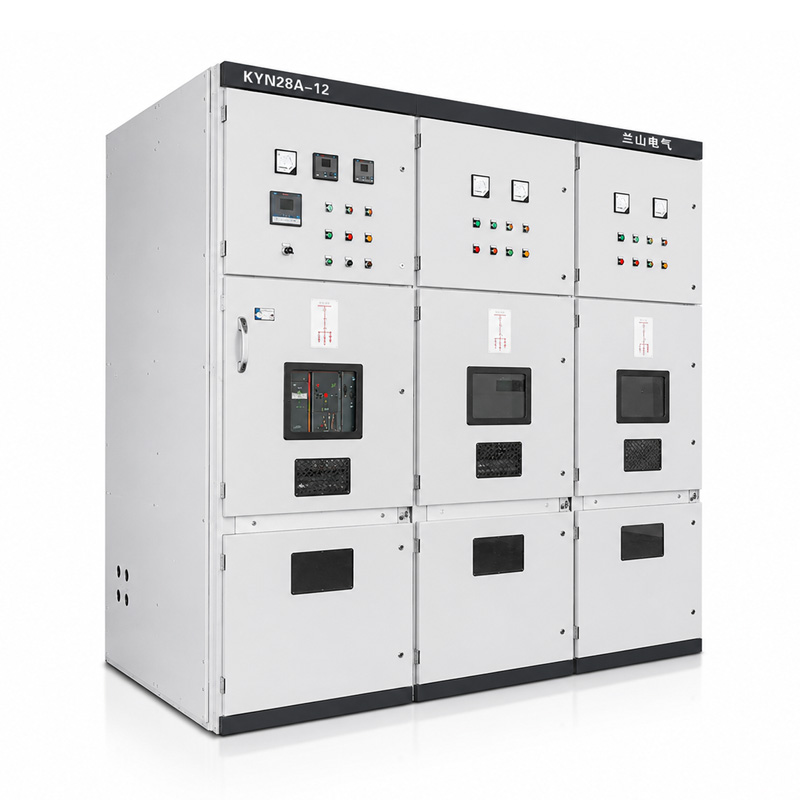
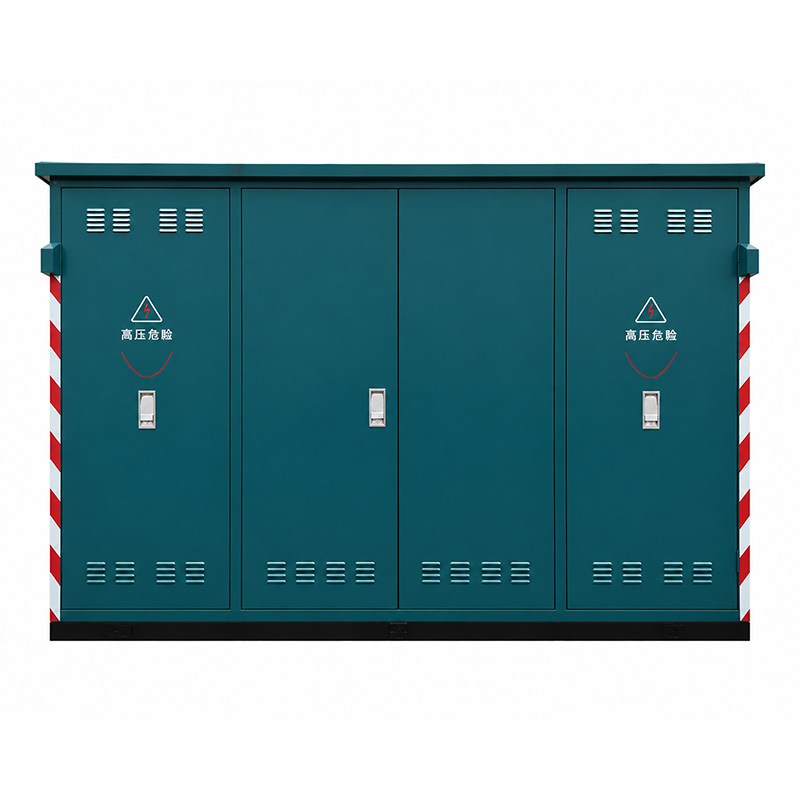
The transformer is only part of the investigation. Medium-voltage equipment, low-voltage circuits and control devices have their own operating limits. For background on these compartments, see Lanshan’s explanation of how a box-type substation is arranged.
The practical question is: which temperature is abnormal, under which load and environmental conditions, and compared with which approved limit?
Respond Safely Before Investigating the Cause
Do not open energized compartments to improve cooling, touch suspected hot connections or bypass a temperature trip. Smoke, arcing, burning smells or repeated protective operation require the site’s emergency response, not an experimental restart.
Have authorized electrical personnel determine whether the compact substation must be taken out of service. Internal inspection and corrective work require appropriate isolation and verification under applicable rules. Electrical safe-working requirements distinguish a verified de-energized condition from simply switching a device off.
Begin with existing alarms, operating records and safely available measurements. The investigation below is a brief for qualified personnel, not a live-maintenance procedure.
Separate Transformer Capacity from Enclosed Performance
A transformer datasheet does not establish every thermal characteristic of the completed compact substation. The enclosure, interconnections and cooling arrangement must also be considered.
IEC 62271-202 addresses relevant outdoor prefabricated substations, including service conditions, rated characteristics and temperature-rise testing. Its scope is broader than the transformer alone.
For the offered compact substation, request the supported loading conditions for the actual transformer, enclosure and ventilation configuration. Compare them with the installation drawing and site conditions.
Also identify which compartment governs the limitation. Keeping the transformer within its approved duty does not automatically demonstrate that the low-voltage assembly or electronic controls remain within theirs.
Confirm What the Temperature Reading Represents
Separate outside ambient temperature, internal air temperature and the monitored equipment temperature. An enclosure-roof reading, a top-oil indication and a winding sensor are not interchangeable measurements.
For each compact substation alarm, record the sensor location, measurement method, time and applicable setting. Determine whether a displayed winding temperature is directly measured or estimated by the instrument.
Use Temperature Rise as Context, Not a Universal Limit
Suppose an internal air sensor reads 52°C while its defined outside reference reads 37°C. The measured difference is 15 K. That arithmetic does not establish acceptability: the installation’s permitted conditions and the equipment exposed to that air still need review.
Compare readings from the same locations under comparable loading. For infrared measurements, account for surface emissivity and reflected radiation; ISO 18434-1 thermography guidance addresses these interpretation issues. A thermal camera measures apparent surface temperature, not a hidden winding hotspot directly.
Check the instrument configuration as well as the sensor. Confirm the channel label, units, scaling and approved settings against commissioning records. If several values feed a monitoring system, preserve their timestamps. Comparing a winding reading from the peak period with an outside-air reading taken after sunset creates a misleading picture, even when both instruments are functioning correctly.
Read the Pattern Before Choosing a Remedy
Use this compact substation matrix to organize the evidence. It is a diagnostic framework, not a set of confirmed causes or operating permissions.
| Observed pattern | Possible explanation to test | Evidence to compare |
|---|---|---|
| Several compartments warm during the same period | High ambient temperature, shared cooling restriction or sustained demand | Time-aligned ambient, load and compartment readings |
| Temperature rises mainly on sunny afternoons | Solar gain, hot inlet air or changing afternoon demand | Comparable-load sunny and overcast periods |
| One terminal is hotter than comparable connections | Higher resistance, unequal current or a measurement artifact | Phase currents, corrected thermal observations and isolated inspection |
| Heating began after construction or landscaping | Changed clearance, obstruction or exhaust recirculation | Approved layout versus current site photographs |
| Temperature increases after fan assistance disappears | Unavailable forced cooling or an auxiliary-control problem | Fan feedback, control events and permitted cooling ratings |
| A sensor changes abruptly without supporting evidence | Instrument, wiring or configuration issue | Independent qualified verification and event history |
For a compact substation with several symptoms, establish their sequence. A fan alarm preceding temperature rise suggests a different investigation from a temperature alarm followed by a protective shutdown.
Check Sustained Demand, Not Only the Peak Current
Collect the operating profile before and during the incident. A momentary peak and an extended production shift impose different thermal duties. The loading guide for mineral-oil-immersed transformers connects ambient conditions and loading with operating temperature and thermal ageing.
For a compact substation containing a dry-type transformer, use the appropriate dry-type loading guidance and equipment data instead. Do not transfer oil-temperature assumptions to a different insulation and cooling system.
Why a Modest Current Increase Can Matter
Resistive heating follows P = I²R. With resistance held constant, increasing current by 20% increases that resistive loss by 44%, because 1.2² equals 1.44. This is an illustrative relationship, not a prediction of the station’s total losses or temperature.
Review individual phase currents, power factor and load duration. A single average loading percentage can conceal the circuit or operating period that needs attention.
Follow the Airflow from Inlet to Outlet
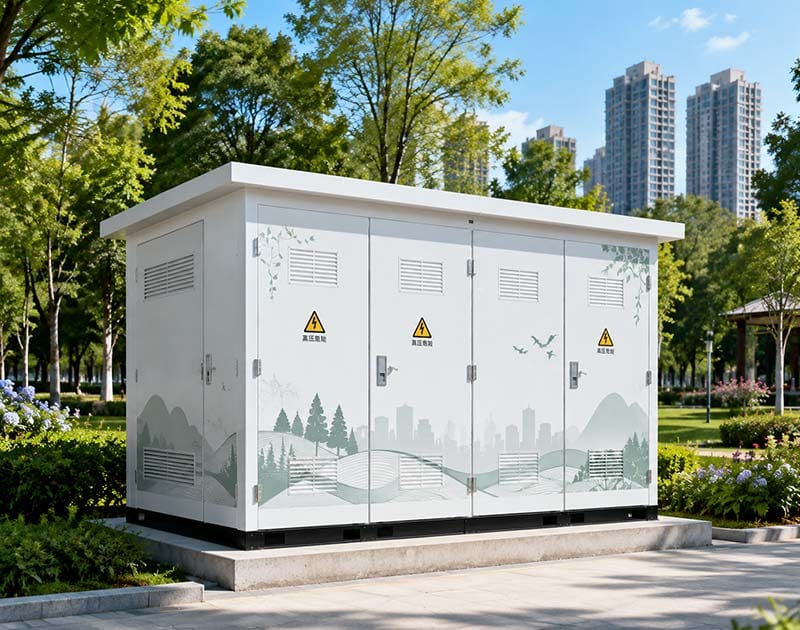
For a compact substation, assess the full cooling path: the available outside air, inlet openings, internal passages, heat-releasing surfaces and discharge route. A visible ventilation grille does not demonstrate that air reaches the required equipment.
Compare the installation with the approved drawing. Flag stored materials, fencing, vegetation, building extensions or added cable runs that may interfere with that route. Have qualified personnel assess dirty screens, obstructed passages or damaged cooling components during an approved inspection.
Where fans are installed, evaluate delivered airflow against the resistance of the actual louvers, screens and passages. A fan’s unrestricted catalogue airflow is not the same as its installed operating flow.
For the compact substation heat balance, use equipment losses and relevant external heat gains, not transformer kVA as though it were heat released inside the enclosure. A design review should account for heat-transfer paths through both air and the enclosure surfaces.
Natural and forced ventilation need different assessments. IEC 61936-1 addresses applicable installation requirements, including ventilation, while prefabricated-substation product design has its separate standard.
Interpret exhaust temperature with airflow and inlet temperature. Warm exhaust may indicate that heat is being carried away; relatively cool exhaust may reflect low loading or air bypassing the hottest equipment. Neither observation proves adequate cooling by itself. For a compact substation assessment, the useful evidence is the coordinated heat balance and temperature distribution, not whether one grille feels warm.
Account for Sunlight and the Actual Site Layout
Solar exposure can contribute to compact substation heating even when the electrical load is unchanged. IEC 62271-202 includes an informative procedure for evaluating solar radiation’s effect on internal temperatures.
Separate shaded ambient-air measurements from sun-heated surface readings. Then compare equivalent load periods instead of attributing every afternoon alarm to sunlight.
Have the designer examine nearby walls, hot process exhausts and the relationship between outlets and inlets. Air discharged from the station should not be assumed to disappear harmlessly if the surrounding layout redirects it.
A shade structure, altered roof or revised enclosure finish may be worth evaluating, but none should be improvised. Maintain required access, clearances and pressure-relief routes. Request a reviewed solution rather than a promised universal temperature reduction.
Check Harmonics and Local Electrical Hotspots Separately
When a compact substation supplies significant nonlinear loads, obtain representative current-waveform or harmonic data. IEEE C57.110 provides methods for evaluating transformer capability with nonsinusoidal currents. Remaining below a nameplate kVA value does not replace that assessment.
Compare load characteristics before and after new drives, chargers or other electronic equipment were introduced. Do not assume every such device produces the same harmonic duty.
A Hot Connection Is Not the Same as a Hot Compartment
At a given current, additional connection resistance produces additional localized heating. Where a compact substation has one abnormal joint, investigate that location rather than treating extra enclosure ventilation as the complete remedy.
Qualified personnel should distinguish unequal loading, connection condition and measurement uncertainty. Thermal evidence needs context, not just the hottest color in an image.
The IEC 61439 assembly framework also addresses circuit-group loading and temperature-rise verification. Review the actual low-voltage arrangement rather than inferring whole-panel capability from individual breaker ratings.
Match Cooling Changes to Verified Operating Conditions
For a compact substation with forced cooling, establish which equipment depends on it and what duty remains permitted when it is unavailable. Review the control supply, operating feedback and agreed alarm response together.
A fan-start command proves that a command was issued, not that adequate airflow resulted. Define how cooling availability is confirmed and what the operator should do when it is lost.
Do not raise a trip setting simply to suppress repeated alarms. Equally, do not remove filters, cut new openings or leave doors open as an operating solution. Have the manufacturer review any proposed change against thermal, electrical and enclosure requirements.
IEC 60529 ingress-protection classifications concern enclosure protection, not cooling capacity. A compact substation modification must preserve the required protection while demonstrating the intended thermal performance.
Example: Overheating Below the Expected Loading Level
Consider a hypothetical compact substation supplying an industrial facility. Its transformer operates at approximately 70% of nameplate capacity during recurring afternoon alarms. This is an invented diagnostic scenario, not a Lanshan installation or an acceptable-loading recommendation.
The initial suggestion is to replace the transformer with a larger unit. Instead, the review first compares time-aligned currents, ambient conditions, compartment temperatures and cooling status.
Suppose the records show similar afternoon demand on both cool and hot days, but elevated inlet-air temperature during the alarm periods. Site photographs also show a recently added wall close to the discharge side.
That combination makes the air path and enclosure duty sensible investigation priorities. It does not prove the wall is the only cause, or rule out another fault.
For this compact substation, the engineering team would assess the altered layout and approved thermal conditions before choosing a modification. Afterwards, comparable-load temperature trends would help verify whether the corrective work addressed the problem. A cooler reading on an unusually mild day would be weak evidence by itself.
Verify the Repair Before Closing the Investigation
Define success before implementing the correction. Record the affected compact substation component, the approved limit, the operating conditions to be assessed and who will authorize return to service. This prevents a temporary reduction in temperature from being mistaken for a resolved fault.
Keep the as-found condition, approved modification and final configuration together. Following the required electrical checks, compare safely collected operating trends under representative conditions. Where the original problem depended on a seasonal extreme that is not available during commissioning, document the engineering basis and any interim operating restrictions instead of claiming that a mild-weather observation validates every condition.
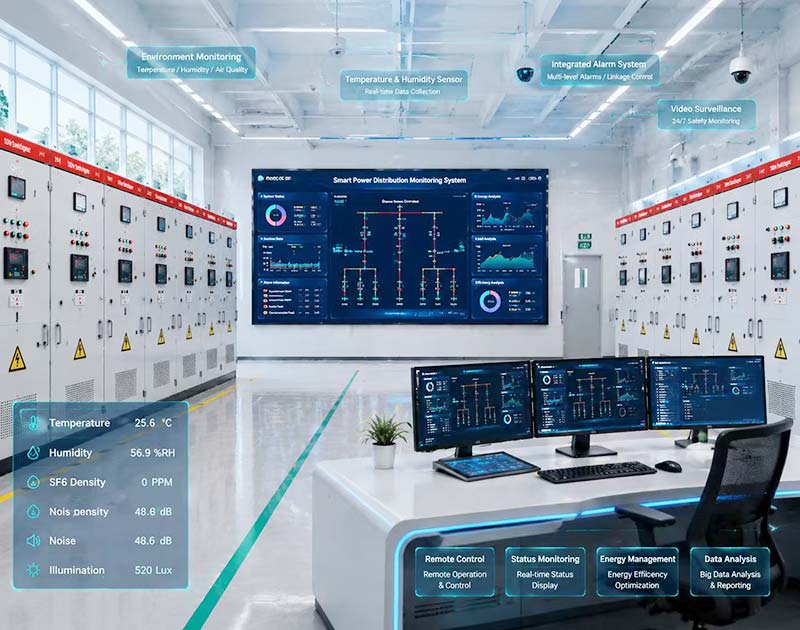
Agree how cooling failures and temperature alarms will be communicated to the responsible team. Monitoring adds value only when someone owns the response and can trace the alarm to the relevant equipment.
Prevent Recurrence with a Complete Thermal Specification
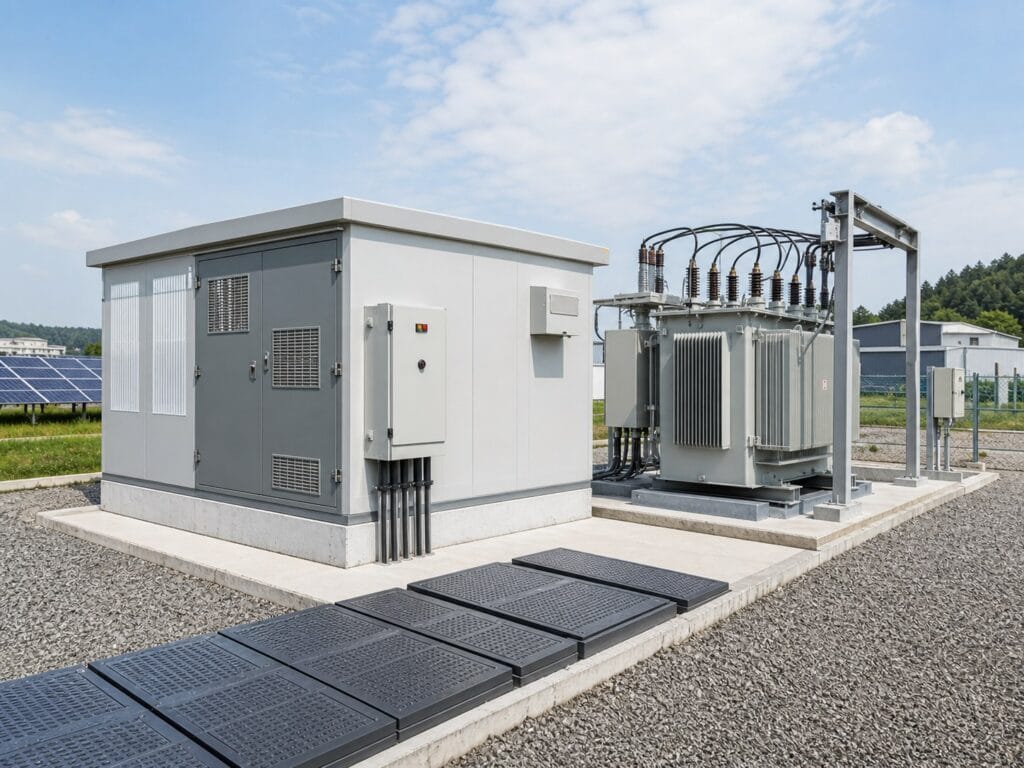
For a new or replacement compact substation, turn the investigation into requirements that can be checked before manufacture. Specify the operating scenario and request evidence for the proposed complete configuration.
| Project information | What to agree with the supplier |
|---|---|
| Demand profile and future additions | Supported loading, cooling mode and applicable limitations |
| Ambient conditions, altitude and solar exposure | Environmental assumptions used in the thermal review |
| Site layout and nearby structures | Required airflow, access and relief clearances |
| Transformer and LV equipment selection | Relevant losses, component limits and assembly evidence |
| Temperature sensors and cooling controls | Locations, alarm functions, operating response and test scope |
A factory check showing that fans operate is useful, but it does not replace applicable temperature-rise evidence. Record which drawings and equipment selections that evidence supports, and review later substitutions before approval.
Lanshan’s ZBW prefabricated compact substation combines medium-voltage switching, a transformer and low-voltage distribution. Published options include oil-immersed or dry-type transformers and natural or forced cooling. Confirm the exact configuration and permitted site conditions rather than applying every series option to every unit.
Include the related low-voltage switchgear requirements in the same review. Solving the transformer compartment alone is not the acceptance criterion for the whole installation.
Conclusion
A compact substation overheating investigation should establish where heat is generated, how it escapes and which operating limit is being approached or exceeded. Verify the measurements, examine sustained demand and separate local faults from enclosure-wide cooling problems.
Contact Lanshan Electric with your load profile, temperature records and site layout to discuss a substation configuration matched to the project’s operating conditions.
FAQ
Can a compact substation overheat below rated transformer capacity?
Yes. Transformer loading alone does not establish the thermal condition of the complete enclosure. Cooling availability, ambient conditions, the installed arrangement and local electrical faults still need assessment.
What is the maximum safe compact substation temperature?
There is no single temperature covering every compartment and component. Identify what is being measured, then apply the manufacturer’s approved limits, relevant standards and project protection settings.
Will adding fans always solve overheating?
No. Fans cannot substitute for repairing an abnormal electrical connection or validating a blocked air path. Assess the cause first, then confirm the complete cooling arrangement and its failure response.
Should the doors be left open to release heat?
No. Do not operate outside the approved enclosure arrangement as an improvised cooling measure. Keep access restricted and have authorized personnel follow the required safety and fault-response procedures.
What information should I send for a thermal review?
Provide the equipment datasheets, load history, sensor locations, alarm records and outside temperatures. Add cooling-status information, the site drawing and photographs of recent changes so the evidence describes the same operating periods.