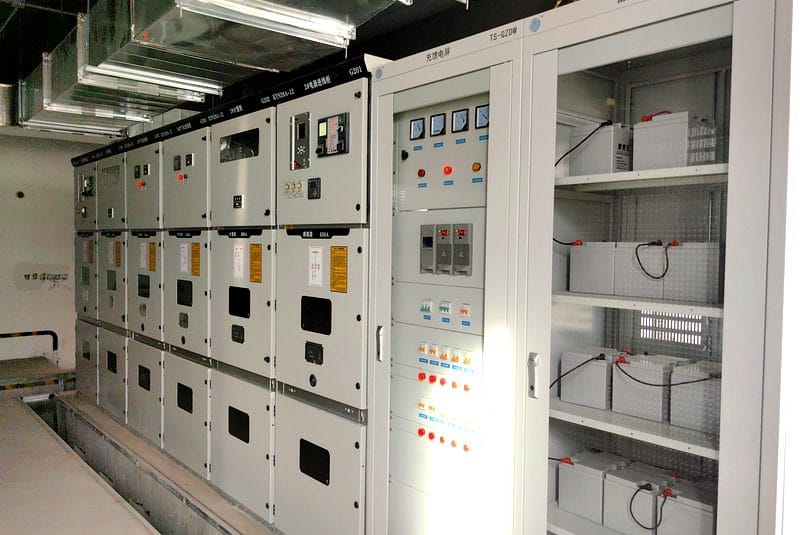
A certificate can be genuine and still fail to support the switchgear being offered. It may cover a management system rather than a product, a circuit breaker rather than a complete assembly, or a configuration different from the one on your drawing.
The useful approach to switchgear certification is therefore not to count logos. It is to connect each required characteristic to evidence for the equipment you will receive. This guide shows procurement teams how to make that connection before approving an order.
Table of Contents
What Does Switchgear Certification Actually Prove?
In its formal sense, certification is independent written assurance that a defined product, service or system meets specified requirements. ISO’s explanation of certification makes the scope of that assurance central to its meaning.
For switchgear certification, ask three questions together: who issued the document, what requirements were assessed, and which equipment does it cover?
Project compliance is the wider review. In addition to any required certification, the buyer needs evidence that the proposed equipment matches the specified electrical duty, installation conditions and acceptance requirements. IEC guidance on specifying assemblies provides a framework for defining those application characteristics.
Keep that review alongside the equipment selection. Lanshan’s guide to choosing switchgear for industrial projects provides the broader selection context.
Sort the Documents Before Reviewing the Claims
Use the following document map as a procurement tool. It separates evidence that serves different purposes; one row does not automatically replace another. The distinctions follow the separate frameworks for product certification, laboratory competence and assembly verification.
| Document received | What it helps establish | What remains to be checked |
|---|---|---|
| Management-system certificate | The organization’s management system within its stated scope | Performance of the actual switchgear |
| Product certificate | Conformity within a defined certification scheme | Covered models, conditions and certification status |
| Type-test report | Results for identified specimens and tests | Applicability to the offered configuration |
| Design-verification record | How assembly design requirements were verified | Relevant verification method and design boundaries |
| Routine-verification record | Checks on the manufactured assembly | Traceability to the delivered equipment |
| Manufacturer’s declaration | The manufacturer’s stated conformity responsibility | Applicable requirements and supporting technical evidence |
In a switchgear certification review, file documents by purpose rather than placing everything in a folder called “certificates.” That simple change makes missing assembly evidence easier to identify.
Choose the Correct Standard Before Checking the Certificate
Start with the equipment category, not the most recognizable standard number. A useful switchgear certification schedule names the applicable standard, edition, required characteristics and evidence for each assembly.
Low-Voltage Assemblies
IEC 61439-1 contains general rules used with the relevant product part. For power switchgear and controlgear assemblies, IEC 61439-2 provides the specific requirements. A reference to Part 1 alone is not the complete assembly-conformity basis.
Medium-Voltage Assemblies
IEC 62271-200 applies to the metal-enclosed AC assemblies within its scope, rated above 1 kV through 52 kV. Individual switching devices have their own relevant requirements; their documents should not be substituted for assembly evidence.
For export projects, have the responsible designer confirm local rules and contractual acceptance criteria. Neither an international standard number nor a domestic certificate should be treated as automatic approval for every destination.
Why ISO 9001 Is Not a Switchgear Product Certificate
ISO 9001 concerns quality management systems. It does not establish a cabinet’s rated current, short-circuit capability or internal arc performance.
Within switchgear certification screening, use management certification to evaluate the organization’s stated activities and covered sites. Then request the separate product and assembly evidence.
Check the company name, manufacturing location and scope rather than assuming that a certificate for one group company covers another factory. Verify uncertain details with the issuer. ISO itself develops standards but does not issue management-system certificates.
A useful supplier review needs both organizational confidence and product-specific evidence, without confusing their roles.
Distinguish Type Testing, Design Verification and Routine Checks
These terms answer different questions. For low-voltage assemblies, design verification addresses the design, while routine verification is performed on each manufactured assembly. BEAMA’s verification guide explains that separation.
A Verified Design Does Not Mean Every Check Requires Retesting
The IEC 61439 framework permits different verification methods for different characteristics, subject to defined conditions. Testing, comparison with a reference design and assessment are not freely interchangeable options for every requirement.
For switchgear certification submissions, request a verification schedule showing the method and supporting reference used for each applicable characteristic. Avoid demanding one generic “type-test certificate” as though it explains the entire design.
Production Records Must Identify the Delivered Unit
Request routine records linked to assembly identifiers, approved drawings and the final configuration. Keep the design evidence and unit-specific records connected in the switchgear certification file. A report on a reference design cannot tell the buyer whether a later panel was wired according to its approved drawing.
Why Certified Components Do Not Certify the Whole Panel
A breaker certificate evaluates the breaker within its scope. It does not establish the completed panel’s conductor arrangement, enclosure performance or simultaneous circuit loading. The IEC 61439 framework addresses components as incorporated into an assembly, not simply as individual products.
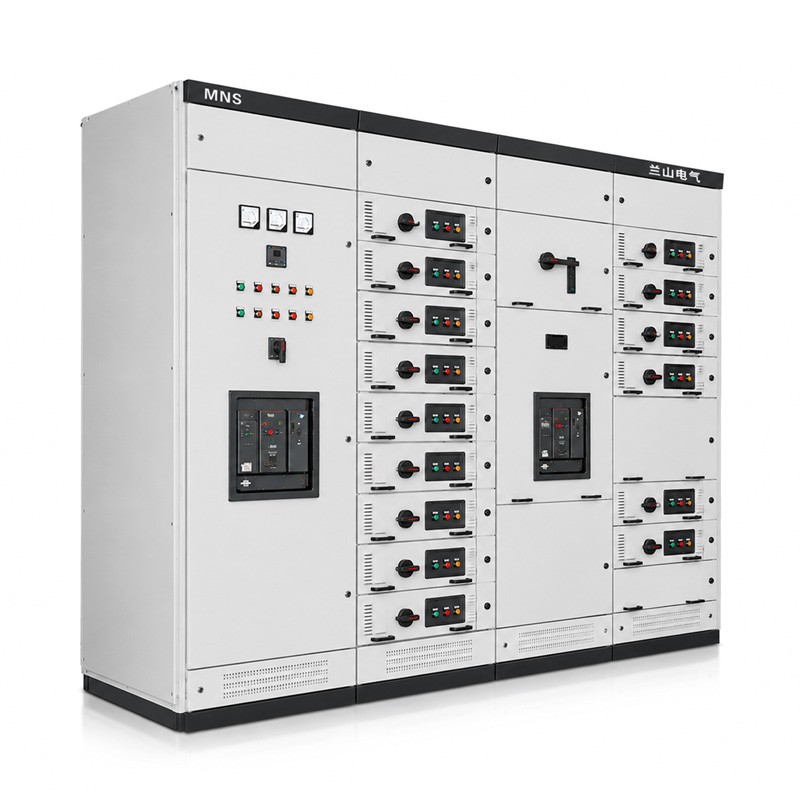
Consider a proposal for GGD low voltage switchgear. Lanshan describes this as a fixed assembly with selectable distribution, metering and control arrangements. Its switchgear certification review should therefore concern the offered assembly, not just the selected incoming breaker.
Ask the supplier to identify the guaranteed assembly characteristics and the evidence supporting them. Keep component certificates as supporting documents rather than using them to close assembly-level requirements.
Verify Authenticity and the Issuer’s Relevant Scope
First, compare the certificate holder, manufacturer, model references, issue details and attached schedules with the proposal. Use the issuer’s independently located directory or contact channel to verify doubtful documents. ISO recommends issuer or accreditation-body confirmation when checking certification status.
For test reports, examine the laboratory and the test scope. ISO/IEC 17025 addresses laboratory competence and valid results; laboratory accreditation is not product certification.
In your switchgear certification review, request the relevant accreditation scope when accredited testing is required. Check whether it covers the claimed activity rather than assuming a logo covers every test the laboratory can offer.
A failed directory search is a reason to clarify, not immediate proof of forgery. Record what was searched and seek issuer confirmation. Equally, a valid directory entry does not prove that the submitted equipment falls within the document’s scope.
For switchgear certification involving a trading company, distinguish the seller from the certificate holder and named manufacturing site. Request written traceability between them and the supplied model. A different commercial name calls for clarification; it does not, by itself, establish that a document is invalid.
If confidential drawings are involved, agree controlled access. The reviewer still needs enough information to determine identity, ratings and applicability.
Match the Tested Configuration to the Ordered Equipment
This is where switchgear certification becomes an engineering review rather than an administrative check. Compare the reference design with the proposed enclosure, busbar arrangement, protective devices, insulation, ventilation and connection details.
For relevant medium-voltage equipment, IEC TR 62271-307 provides guidance on extending type-test validity. Its existence supports a disciplined assessment of design differences, not a blanket rule that every modification requires a completely new test program.
Ask for a documented explanation of how the offered configuration remains covered. The fact that it has a lower current rating does not, by itself, settle the question.
Keep a revision trail in the switchgear certification package. If a breaker, enclosure opening or bus support changes after approval, identify which evidence is affected before accepting the substitution.
Also establish who is responsible for the completed assembly. Where a reference design comes from another organization, request the instructions and verification basis governing its use and the final manufacturer’s responsibilities.
Read Fault Ratings and Internal Arc Claims Separately
A switchgear certification document stating “25 kA” is incomplete for a project comparison unless the characteristic and conditions are identified. Ask whether it refers to short-time withstand, interruption capability or an internal arc test, and request the relevant duration and configuration.
For medium-voltage switchgear, an internal arc classification is a distinct declared characteristic under IEC 62271-200. It should not be inferred from metal-clad construction or an ordinary short-circuit rating.
Where internal arc performance is required, include the accessible sides and installation arrangement in the document review. Ask the technical reviewer to establish whether the submitted evidence supports the actual room layout.
Do not collapse several different safety claims into a single “tested” box on the approval sheet.
Understand CE Marking Without Treating It as a Universal Certificate
For products subject to relevant EU requirements, CE marking is the manufacturer’s indication of conformity. The European Union’s CE marking guidance states that there is no central EU body issuing a general permission or certificate to use the mark.
In switchgear certification discussions, ask for the applicable legislation, the manufacturer’s declaration and the supporting technical documentation. Whether independent assessment is required depends on the applicable conformity-assessment procedure.
Do not use “CE certified” as shorthand for third-party approval, and do not assume every voltage class follows an identical regulatory route. Have the responsible compliance specialist establish the route for the actual product.
A voluntary certificate does not replace the legally required process. Nor should an EU marking be presented as automatic acceptance by an unrelated utility or project owner.
Example: A Genuine Report That Does Not Yet Close the Review
Consider a hypothetical project requesting 12 kV switchgear, a 1,250 A bus and a defined internal arc classification. These are illustrative project requirements, not guaranteed Lanshan ratings.
The supplier submits a genuine report for a related family. However, the offered panel has a different pressure-relief arrangement and the report package does not identify whether the required internal arc classification covers that configuration.
Rejecting the entire product immediately would be premature. Accepting it because the report bears an authentic stamp would also be premature.
The useful switchgear certification decision is to hold the affected requirement open. Request the applicable report sections, a configuration comparison and the engineering basis for any permitted extension of validity.
If the evidence does not support the offered arrangement, revise the design or obtain the necessary additional verification. The decision follows the coverage gap, not the appearance of the certificate.
Build an Evidence Matrix Instead of a Certificate Checklist
For switchgear certification, create one row for each required characteristic. Link it to the offered equipment, evidence reference and approval owner. Use “not applicable” only with a reason, not as a substitute for missing information.
| Project requirement | Evidence to request | Question before approval |
|---|---|---|
| Continuous loading in the proposed enclosure | Applicable design verification and rated-data schedule | Does the evidence cover the agreed configuration and duty? |
| Short-circuit performance | Relevant report or permitted verification basis | Are the rating, duration and protective-device conditions defined? |
| Internal arc performance, where required | Classification and supporting evidence | Are the relevant sides and installation conditions covered? |
| Required product certification | Certificate, schedules and issuer confirmation | Is the offered model within the current scope? |
| Manufactured-unit conformity | Routine records and final drawings | Can the records be traced to the supplied assembly? |
| Site acceptance | Approved installation and commissioning records | Have the external interfaces been verified? |
Treat this switchgear certification matrix as a live document. Keep unresolved conditions visible through design approval, manufacture and delivery rather than closing them when a PDF arrives.
Assign a reviewer to each technical item. Administrative staff can confirm that a file was received; the relevant engineer or compliance reviewer must decide whether it answers the requirement.
Keep Factory Acceptance and Site Approval Separate
A factory acceptance test can demonstrate agreed functions and review manufacturing records. It cannot establish the condition of site cable terminations or protection interfaces that were not part of the factory setup.
For applicable high-voltage installations, IEC 61936-1 addresses installation design and erection, distinct from the separate product standards covering prefabricated switchgear.
Your switchgear certification package should therefore identify the remaining site checks and who authorizes energization. Record final settings, installation changes and closure of technical deviations.
At delivery, reconcile assembly identifiers, nameplates and final drawings with the reviewed documents. Update the switchgear certification record when an approved variation changes the configuration. This last comparison helps prevent a correctly reviewed proposal from being disconnected from the equipment actually delivered.
Do not treat a purchaser’s factory visit as independent product certification. Likewise, a product certificate does not remove the need to accept the installed system under the project’s applicable requirements.
Prepare a Configuration-Specific Enquiry for Lanshan
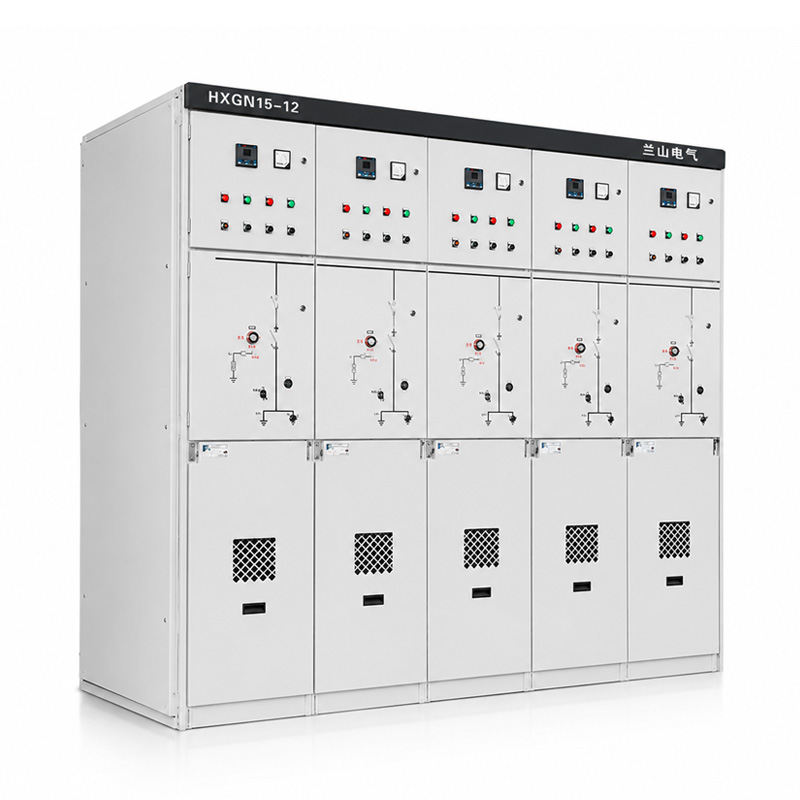
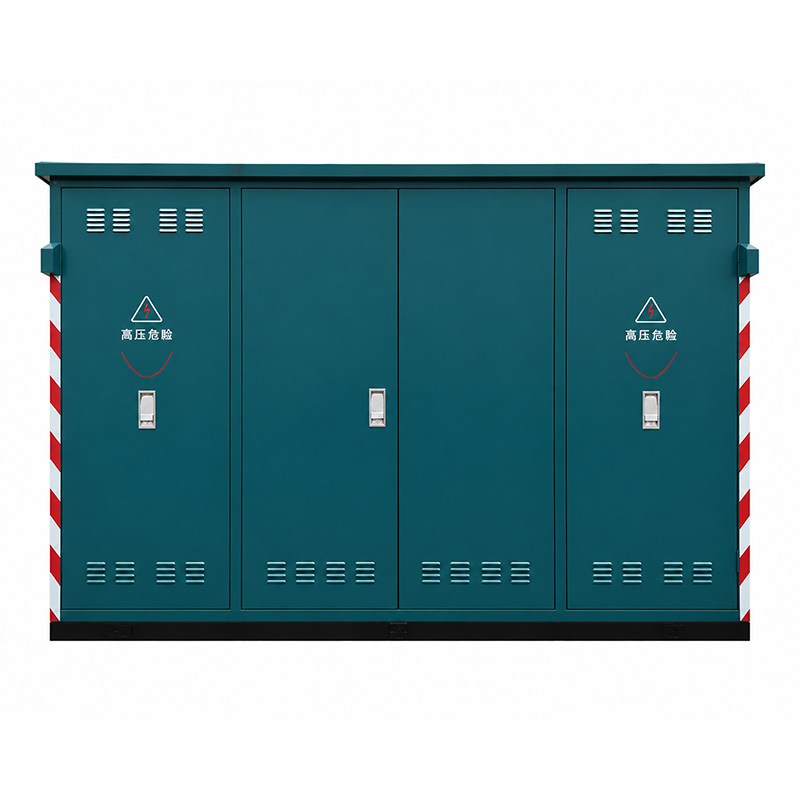
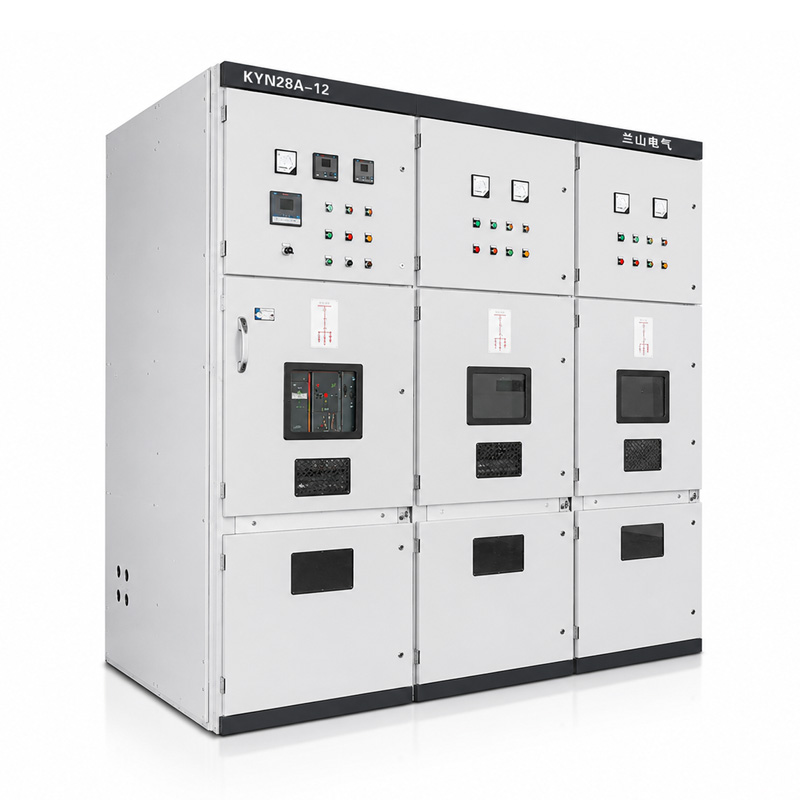
Lanshan’s power distribution equipment range includes low-voltage assemblies, medium-voltage switchgear and prefabricated substations. Its KYN28A-12 switchgear is presented as a compartmentalized, withdrawable medium-voltage arrangement.
Submit the single-line diagram, equipment schedule, destination requirements and required evidence with your enquiry. Ask which configuration and documents are available, which conditions need clarification and which verification must be agreed before manufacture.
Keep switchgear certification claims specific to the supported scope. A model name, a catalogue standard reference or a broad series rating should start the discussion, not end the approval process.
Conclusion
Effective switchgear certification review connects the issuer, the assessed requirements and the actual equipment. Separate management certificates from product evidence, match reports to the ordered configuration and retain responsibility for site acceptance.
Contact Lanshan Electric with your equipment schedule, drawings and compliance requirements to discuss a coordinated proposal and the supporting documents your project needs.
FAQ
What documents should I request for switchgear certification?
Request any required product certificate and schedules, applicable design or type-test evidence, configuration drawings and unit-specific routine records. Include destination requirements and site acceptance documents. The required combination depends on the assembly and project, not a universal certificate list.
Is an ISO 9001 certificate enough to approve switchgear?
No. It concerns a quality management system, not the electrical performance of a particular assembly. Keep it in the supplier-qualification review and request product-specific verification separately.
Does every customized panel need a completely new type test?
Not automatically. Permitted verification methods and extension rules depend on the equipment standard and design change. Request a documented applicability assessment; customization neither automatically cancels previous evidence nor makes it transferable without review.
Is a recent report always better than an older report?
Date alone is not the deciding factor. Check the required standard edition, design coverage, amendments and acceptance conditions. For certificates, separately verify current scheme status. A recent report on another configuration may not support your order.
Can component certificates establish complete switchgear certification?
Not by themselves. Component evidence supports the review, but the completed assembly needs its own applicable verification and any required certification. Confirm that the documentation addresses the actual arrangement rather than only the devices inside it.