Modern commercial buildings are becoming increasingly complex. Large office towers, shopping centers, hospitals, hotels, business parks, and mixed-use developments all rely on highly coordinated electrical systems to support daily operations.
Unlike traditional industrial facilities, commercial buildings require electrical infrastructure that balances safety, operational efficiency, continuous power supply, and long-term maintenance convenience.
For developers, contractors, and procurement managers, understanding what electrical equipment is required during project planning can significantly improve construction efficiency and reduce long-term operational risk.
So what electrical equipment is truly essential in a modern commercial building project?
Step 1: Start with Main Power Distribution Infrastructure
Every commercial project begins with a stable incoming power source.
At the core of the system is the primary power distribution structure responsible for receiving and transferring electricity throughout the building.
The most common equipment includes:
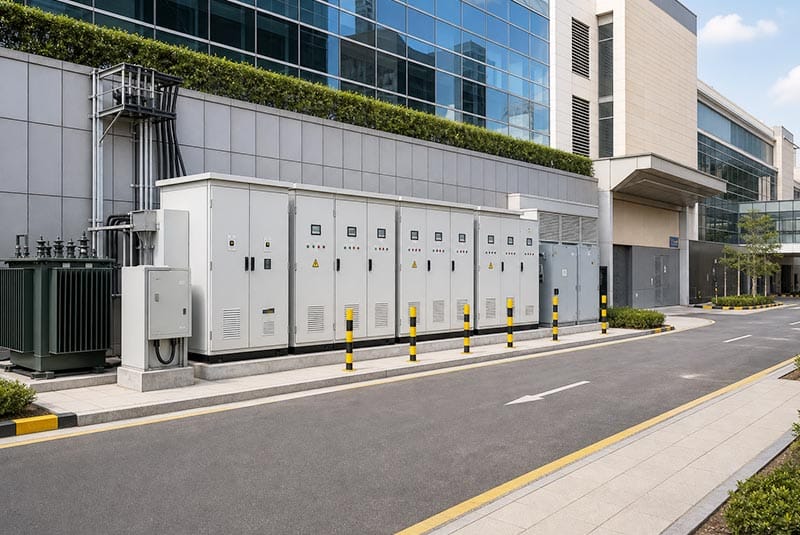
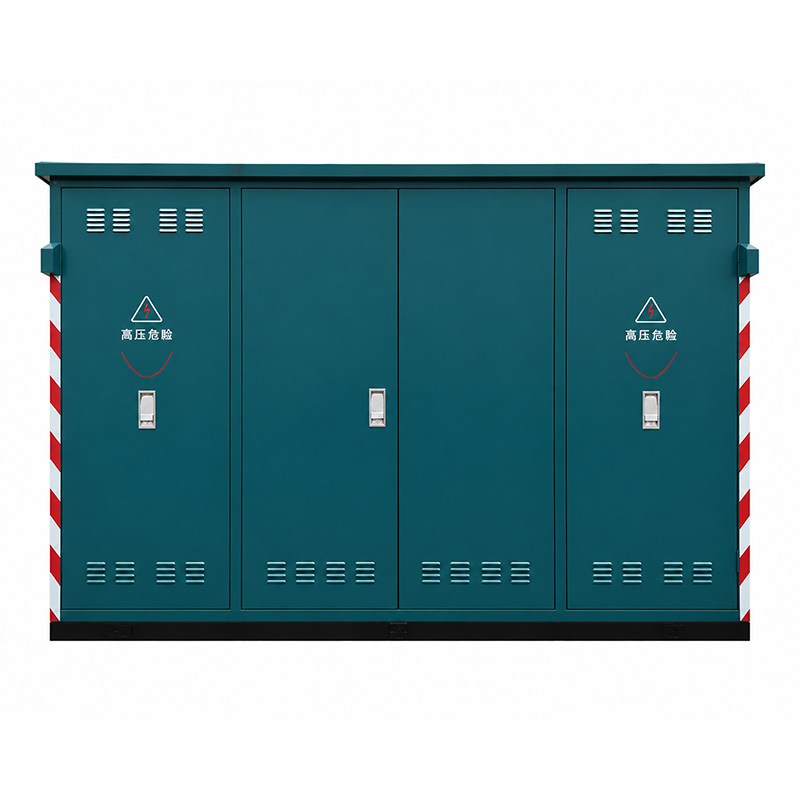
Transformer Substation
Converts incoming electrical power into the required voltage level for building operation.
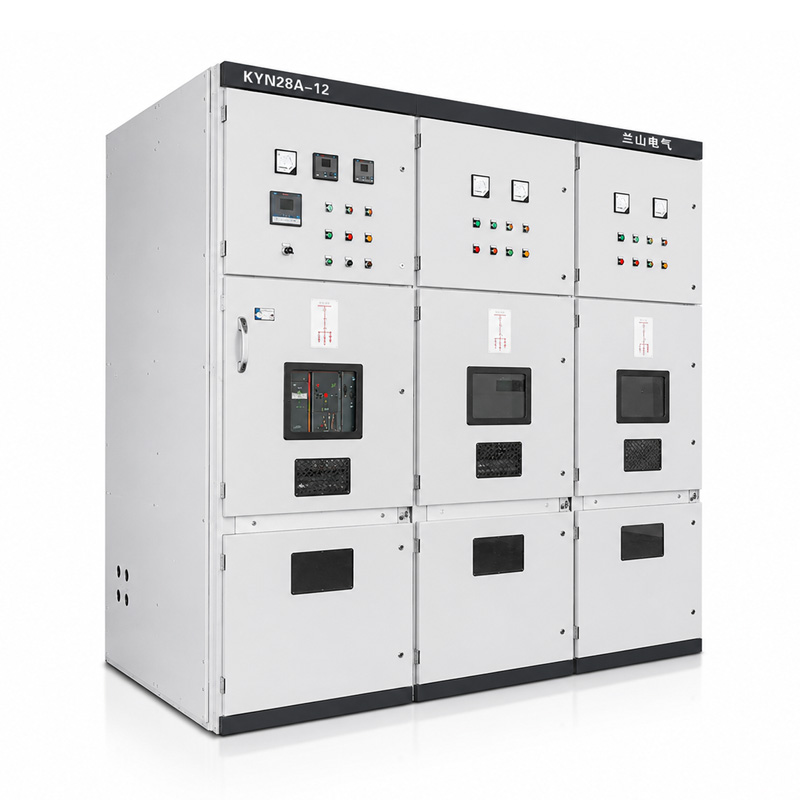
Medium Voltage Switchgear
Controls incoming power distribution and provides system-level electrical protection.
Without stable primary distribution infrastructure, the entire building operation becomes vulnerable to interruption.
Step 2: Build Internal Distribution Networks
After primary power enters the building, electricity must be distributed safely across multiple operational areas.
This usually requires:
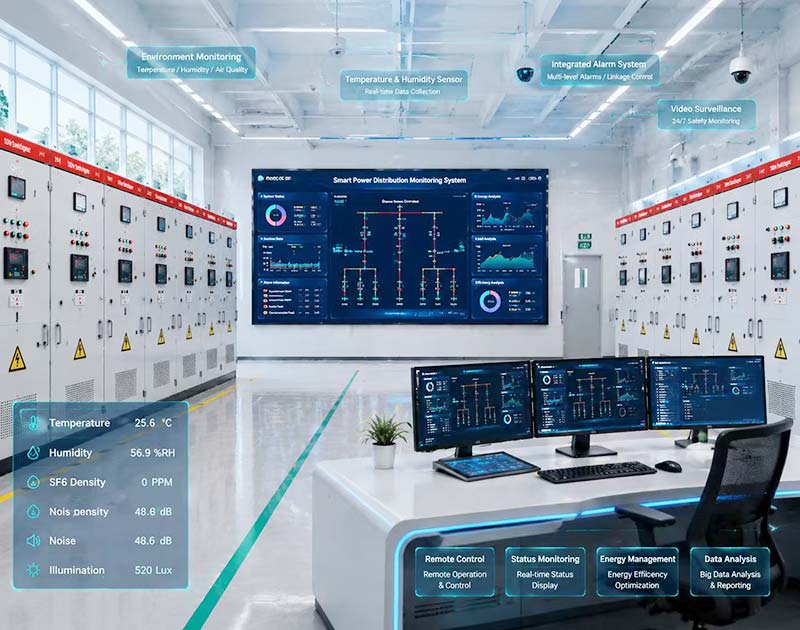
Low Voltage Switchgear
Distributes power throughout floors, office systems, elevators, HVAC systems, and operational equipment.
Distribution Cabinets
Control local electrical circuits while managing daily electrical demand.
Large commercial buildings often operate dozens of independent electrical systems simultaneously.
Proper internal distribution design improves both efficiency and safety.
Step 3: Protect Critical Operational Systems
Not all building systems have the same operational importance.
Certain areas require higher electrical reliability.
Examples include:
- Fire protection systems
- Emergency lighting systems
- Security monitoring systems
- Data server rooms
- Elevator power systems
- Medical equipment in healthcare facilities
Failure in these systems may directly affect building safety.
Proper protection design should never be overlooked.
Step 4: Plan for Future Expansion
One common purchasing mistake is designing electrical systems only for current operational demand.
However, commercial buildings often expand or upgrade over time.
Professional buyers usually consider:
- Future tenant expansion requirements
- Additional equipment installation capacity
- Flexible internal power distribution design
- Long-term maintenance accessibility
Planning ahead reduces expensive future modifications.
Supplier Evaluation Checklist
Choosing the right supplier is just as important as choosing the equipment itself.
Before purchasing, experienced buyers usually verify:
✓ Engineering customization capability
✓ Stable production quality control
✓ Strict factory testing before shipment
✓ Reliable export packaging standards
✓ Experience supporting overseas commercial projects
✓ China Quality Certification Centre certification compliance as part of manufacturing quality assurance
A strong supplier helps reduce project uncertainty.
Final Thoughts
Successful commercial building projects depend heavily on reliable electrical infrastructure.
Proper equipment selection during the planning stage helps improve safety, operational stability, and long-term maintenance efficiency.
For large commercial developments, electrical planning is never simply about purchasing equipment — it is a long-term investment in operational reliability.