A package substation enquiry needs more than a transformer rating and a voltage ratio. Those figures describe part of the equipment, but leave important questions unanswered: who provides the cable terminations, what loading is supported inside the enclosure, and which work remains after delivery?
A useful request for quotation, or RFQ, connects the electrical duty with the site interfaces and acceptance requirements. This package substation checklist helps project buyers obtain technically comparable proposals without assuming that “complete supply” includes every installation task.
Table of Contents
What Should a Package Substation RFQ Include?
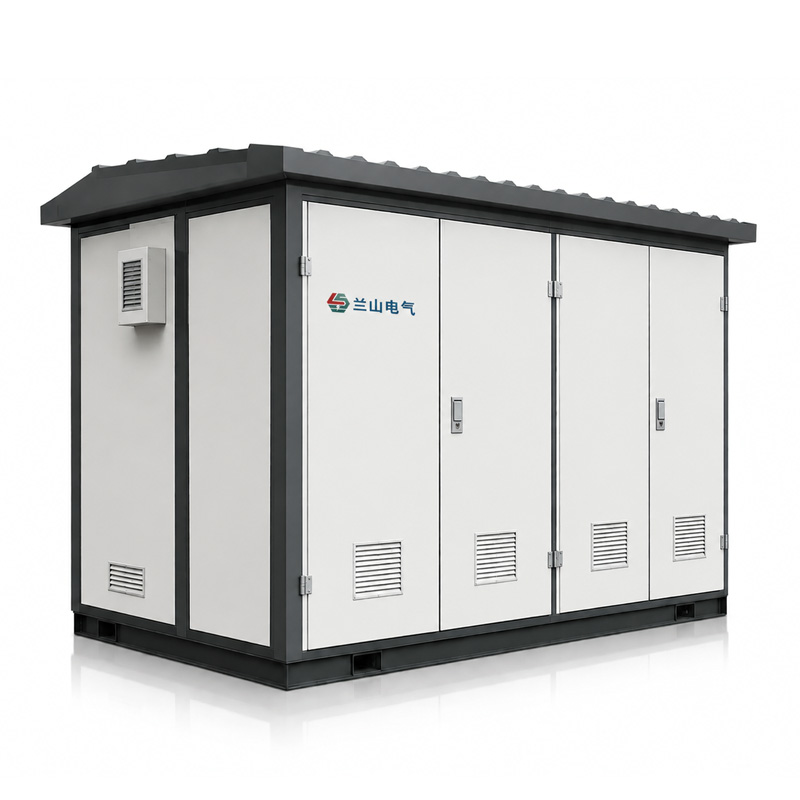
Start with a single-line diagram, load schedule, technical data sheet, site layout and supply-responsibility matrix. Include the required documents and tests, with a revision date on every drawing.
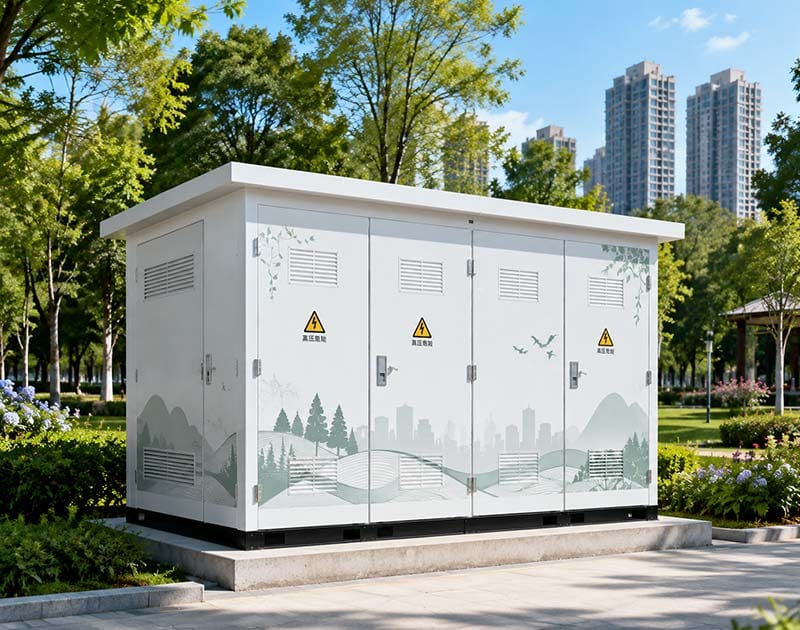
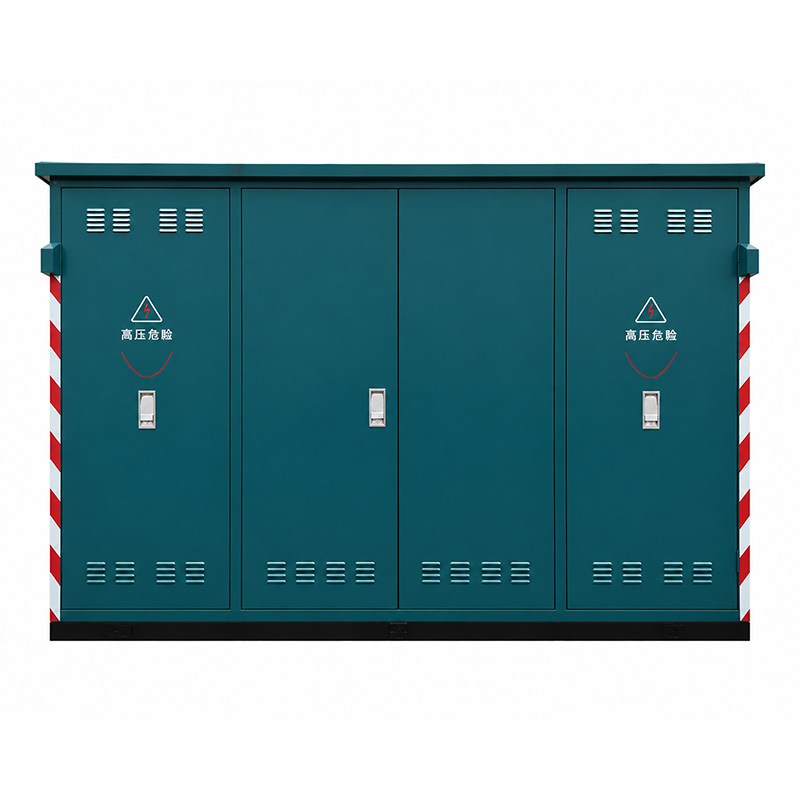
For the medium-voltage-to-low-voltage arrangement discussed here, the package combines switching equipment, a transformer, low-voltage distribution and their enclosure. Lanshan’s box-type substation overview explains these principal functions.
Use the following as a package substation RFQ cover sheet. It is a procurement framework, not a substitute for the project engineer’s specification.
| RFQ input | What the buyer should provide | What the proposal should confirm |
|---|---|---|
| Electrical network | Voltage, frequency, phases and fault data | Equipment ratings and connection arrangement |
| Demand | Operating load, duty profile and planned additions | Transformer selection and enclosed operating capability |
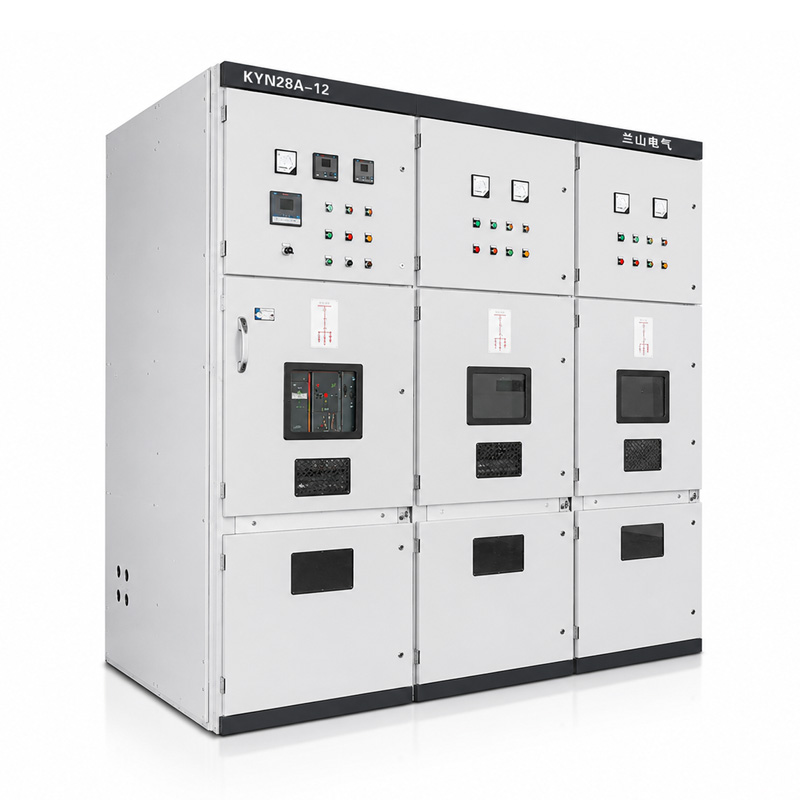
| MV and LV circuits | Incoming arrangement, feeder schedule and protection requirements | Devices, ratings, interfaces and exclusions |
| Installation site | Layout, ambient conditions and access restrictions | Dimensions, cooling provisions and installation limits |
| Supply boundary | Equipment and site-work responsibilities | Included, excluded and optional items |
| Acceptance | Applicable standards, documents and witness requirements | Evidence schedule, testing scope and approval stages |
Mark missing information as “to be confirmed,” with an owner and a due date. Do not let an unstated assumption become an approved design value.
Define the Supply Boundary Before Comparing Equipment
For a package substation, specify whether the order covers an integrated factory assembly, separate equipment supplied for site assembly, or equipment plus defined installation services. These are different deliverables.
Replace the phrase “complete installation” with named responsibilities. The enclosure’s earth terminal, for example, is an equipment interface; the site earthing design and its verification should be assigned separately.
IEC 61936-1 addresses the design and erection of applicable electrical installations above 1 kV AC, while excluding the product design of prefabricated substations covered by separate standards. That distinction is useful when separating equipment evidence from installation responsibilities.
For your package substation, agree a responsibility matrix before technical approval:
| Interface | Equipment-side information | Site-side responsibility to assign |
|---|---|---|
| Foundation | Base dimensions, anchor locations and support loads | Civil design, construction and dimensional checks |
| Power cables | Terminal details, entry openings and permitted arrangements | Cable supply, routing, termination and testing |
| Earthing | Internal bonding and external connection points | Site design, connections and verification |
| Controls | Wiring diagrams, terminals and signal schedule | External integration and end-to-end checks |
| Delivery | Shipping dimensions, masses and handling instructions | Access preparation, unloading and positioning |
Allocate both design and execution. A drawing supplied by the manufacturer does not automatically mean the manufacturer is responsible for constructing what it shows.
Put Network Requirements on One Electrical Schedule
State the nominal supply voltage, frequency and secondary voltage required by the loads. Identify the network operator’s connection requirements and attach any project-specific technical conditions.
For each package substation proposal, distinguish the system voltage from the selected equipment’s rated voltage and insulation levels. Require the designer to establish those ratings from the network conditions rather than copying one voltage figure into every field.
Describe the Permitted Supply Arrangements
Show whether the incoming system is radial, part of a ring, or connected to more than one source. Mark normal switching positions and any source combinations that are prohibited.
Include available fault-current information and its basis. Where data are preliminary, require a hold point for engineering confirmation before the affected equipment is released for manufacture.
The package substation schedule should also identify the metering location and ownership boundary. Confirm whether the operator requires dedicated access, sealing arrangements or specific instrument-transformer data. Treat those as project requirements to obtain, not features automatically included in a standard enclosure.
Specify the Transformer Within Its Actual Enclosure
State capacity, voltage ratio, vector group, impedance requirements, tapping arrangement and cooling preference. Include the load profile and significant motor or power-electronic loads so the transformer review reflects the intended service.
IEC 60076-1 provides general requirements for power transformers. Use the applicable transformer standards alongside a schedule of guaranteed characteristics; a compliance statement should not leave the offered impedance, connection arrangement or cooling duty undefined.
Distinguish Transformer Rating from Package Capability
Do not assume a transformer’s standalone rating establishes the package substation’s loading capability. IEC 62271-202 addresses prefabricated-substation ratings and temperature-rise testing, including consideration of solar heating.
Request the supported loading conditions for the transformer, enclosure and ventilation arrangement being offered. Identify whether auxiliary cooling is necessary and what limitation applies when it is unavailable.
For mineral-oil-immersed designs, IEC 60076-7 addresses loading in relation to ambient temperature, operating temperature and thermal ageing. Supply the actual operating profile rather than only an annual average load.
Compare alternatives within Lanshan’s power transformer range using the same package substation duty, not different environmental assumptions.
Define MV Protection and LV Distribution Together
For the medium-voltage compartment, request a functional diagram showing switching, isolation, protection and metering duties. Identify the proposed switch-fuse or circuit-breaker arrangement, with its selection subject to the protection study.
On the low-voltage side, define the incomer, outgoing circuits, spare ways and required operating modes. IEC 61439-2 addresses power switchgear and controlgear assemblies, including assembly-level requirements. A breaker schedule alone is not the specification for the complete LV assembly.
The package substation enquiry should require coordination between transformer protection and downstream devices. Assign responsibility for calculating, approving and entering the final settings.
Make Control-Power Responsibilities Explicit
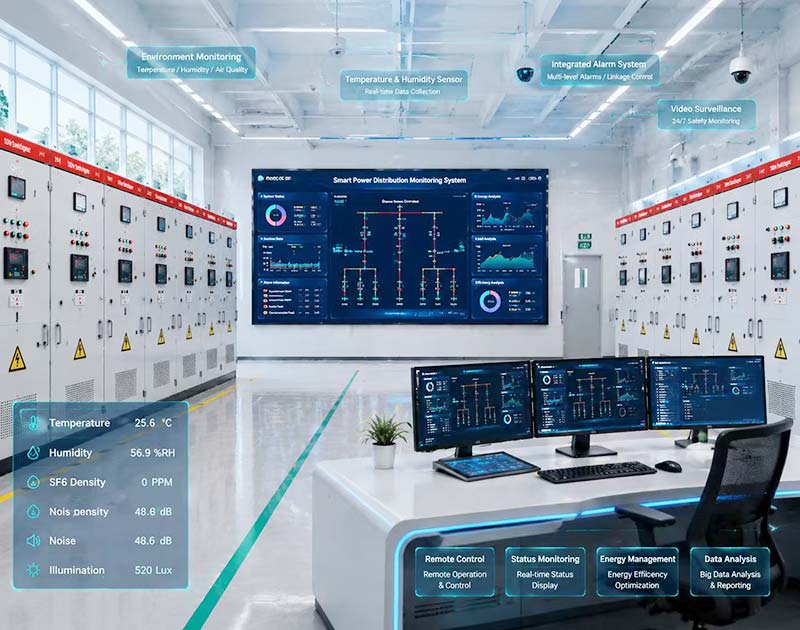
Specify the auxiliary supply and describe the required response to its loss. Where remote monitoring is needed, list actual indications, measurements and commands rather than requesting an undefined “smart system.”
For every signal, identify the source device, connection point and receiving system. Confirm who supplies communications hardware and who performs the site integration. Lanshan’s low voltage switchgear range can be reviewed against the resulting circuit and control requirements.
Describe the Environment Beyond “Outdoor Installation”
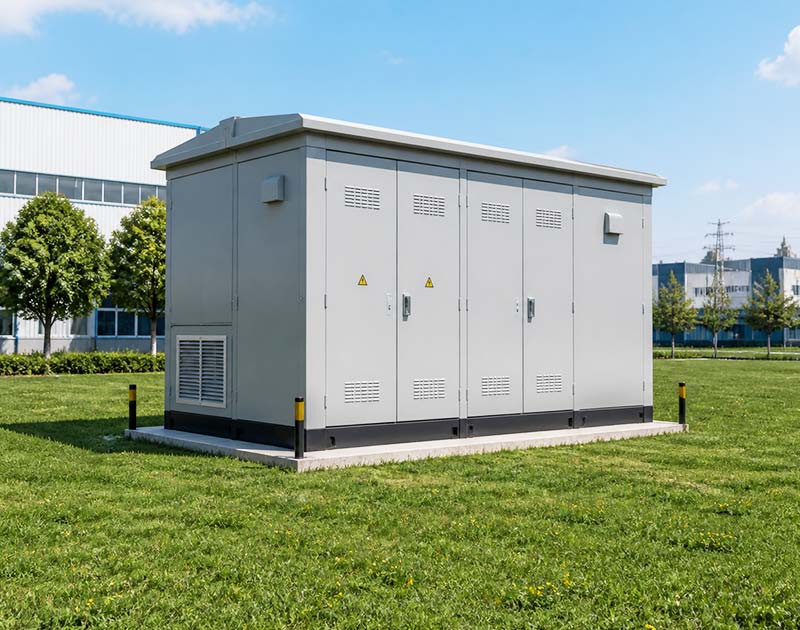
An outdoor package substation specification should include temperature range, altitude, humidity, solar exposure and relevant dust or salt conditions. Add the site’s flood assessment and any restrictions on noise, access or enclosure materials.
IEC 60529 classifies degrees of protection provided by electrical enclosures, including protection against ingress. An IP designation is not a complete statement of environmental suitability.
Request confirmation of the rated enclosure configuration, including ventilation openings and cable-entry seals. Separately identify the corrosion-protection system and condensation-control provisions required for the site.
For the package substation layout, show nearby walls and equipment that could obstruct the proposed access or ventilation routes. Have the supplier review those conditions before approving the arrangement. A general “outdoor” description does not resolve a constrained site drawing.
Freeze Foundation, Cable and Earthing Interfaces Early
Issue a coordinated foundation-interface drawing before civil construction. It should identify the base reference points, anchor locations, cable openings, support loads and the required installation tolerances.
For the package substation, agree who checks the foundation against the latest equipment revision. A correct civil drawing based on an obsolete cabinet layout is still the wrong interface.
Confirm Cable Details Before Approving the Base
Provide cable sizes, quantities per phase, conductor material, outside diameters and entry directions. Request terminal details, termination space and the manufacturer’s permissible connection arrangement.
Avoid accepting “bottom entry” as the complete answer. The drawing needs to show whether the actual cables and terminations fit the proposed space without obstructing another compartment.
Separate Bonding from the Site Earthing Design
Ask for a drawing of internal bonding and external earth terminals. Assign the project engineer responsibility for the overall earthing arrangement, including the transformer neutral treatment and connections to the site system.
Do not insert a generic earth-resistance target into every package substation enquiry. Request project-specific acceptance criteria and verification responsibilities instead. This section defines the information to exchange; installation and testing require qualified personnel and approved procedures.
Verify the Complete Assembly, Not Only Its Components
For an enclosed, cable-connected outdoor package substation within its scope, IEC 62271-202 covers prefabricated-substation characteristics, construction and test methods. State the required edition and confirm applicability to the proposed arrangement.
Request an evidence schedule identifying the product configuration, relevant report, test conditions and any differences from the offered design. Keep transformer, switchgear, LV assembly and complete-substation evidence distinguishable.
For a package substation with an internal arc requirement, specify the required performance and request evidence for the relevant assembly and installation arrangement. Do not extend a claim from one component to the whole station without a documented technical basis.
Management Certification Is a Different Document
ISO 9001 concerns quality management systems. A management-system certificate therefore does not, by itself, establish a particular substation’s electrical or internal arc performance.
Review report references against the approved configuration. When a transformer, enclosure opening or installed device changes, request confirmation of which evidence remains applicable and what further assessment is needed. Avoid treating a folder of certificates as a substitute for that comparison.
Example: Matching Ratings, Different Delivery Scopes
Consider a hypothetical industrial project requesting a 1,000 kVA, 10 kV/400 V package substation. These figures illustrate a procurement discussion, not a verified Lanshan configuration.
One proposal includes internal electrical interconnections but excludes incoming cable terminations and all external control wiring. Another includes termination kits and an auxiliary supply, but leaves unloading and commissioning outside its scope.
Neither proposal is necessarily unsuitable. They are simply not equivalent until the missing responsibilities are assigned.
The site drawing then reveals a second issue: a boundary wall conflicts with a proposed access door, while the cable trench approaches from the opposite side. The headline transformer ratings tell the buyer nothing about these differences.
The useful comparison is therefore a revised package substation schedule with a coordinated layout and closed scope items. Resolve the physical interfaces and acceptance conditions before choosing between the offers. This is where a detailed RFQ earns its value: it makes differences visible while there is still an opportunity to change them.
Separate Factory Acceptance from Site Commissioning
Agree the factory acceptance test, or FAT, scope before manufacturing is complete. Request the proposed inspection and test plan, applicable procedures, acceptance criteria and witness points.
For the package substation, include a configuration check against approved drawings and an agreed review of routine-test records. Define functional demonstrations for the supplied protection, interlocks, alarms and controls. These are proposed acceptance activities; the final scope must follow the applicable standards and approved project specification.
Do not use the FAT label to blur three different questions: what evidence supports the design, what was checked on the manufactured unit, and what must be verified after installation?
Define the Site Handover
Identify the receiving inspection, site connections, protection checks, communications checks and approvals required before energization. Assign each activity to the appropriate party and specify the records it must produce.
A package substation tested at the factory still needs its installed interfaces accepted. Factory simulation cannot establish the condition of cables or connections that were not present during the test. Close those items through the approved site commissioning process, not an assumption that factory acceptance covers them.
Confirm Delivery and Future Equipment Removal
Obtain shipping dimensions, transport masses, lifting details and the manufacturer’s handling instructions. Establish whether the package substation ships as one assembly or in sections, and who reconnects and checks any items separated for transport.
Review the delivery route and unloading position before dispatch. Assign storage and preservation responsibilities when installation will not follow immediately.
Then consider replacement access. Can the transformer be removed through the agreed opening? What external space is needed? Have nearby walls, fencing and permanent services been included in that review?
Treat future expansion similarly. Reserved ground area is useful only when the electrical arrangement, cable routes and installation sequence also support the proposed addition.
Compare Deviations and Prepare the Final Enquiry
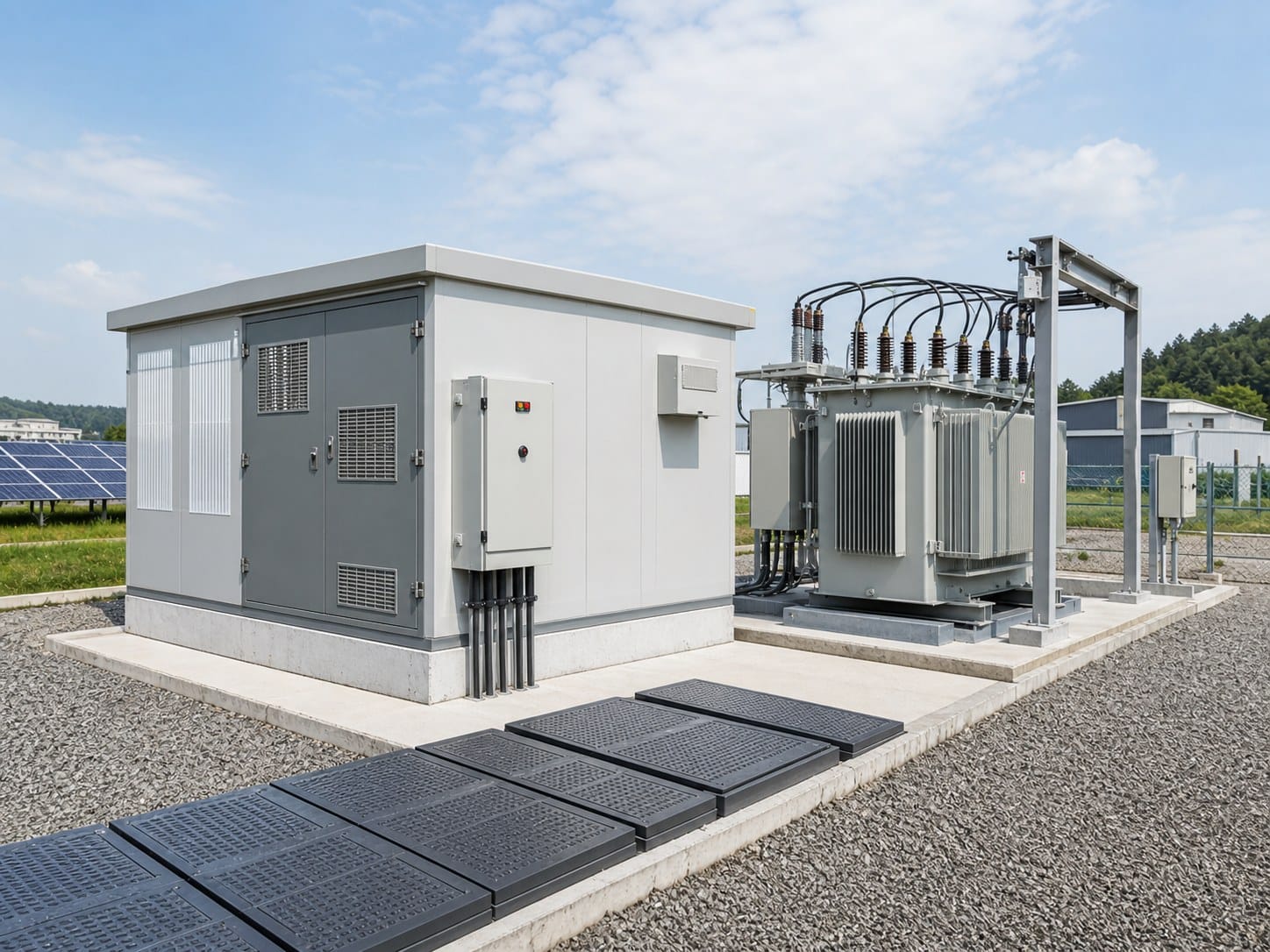
Require a clause-by-clause response identifying compliance, alternatives, exclusions and unresolved conditions. An alternative should explain its consequences for operation, installation, evidence and maintenance—not merely substitute a different product code.
For each package substation offer, link every unresolved point to a document revision and an approval owner. Freeze the equipment schedule and interface drawings before release for manufacture, with a process for reviewing later changes.
Lanshan’s ZBW prefabricated compact substation combines medium-voltage equipment, a transformer and low-voltage distribution in a factory-assembled solution. Its published options provide a starting point for project-specific configuration.
Submit your load schedule, single-line diagram, site layout and responsibility matrix together. Request a coordinated proposal with model-specific ratings and supporting documents rather than relying on broad series descriptions.
Conclusion
A well-prepared package substation RFQ defines the equipment, its operating conditions and every boundary between factory supply and site work. Confirm enclosed loading capability, resolve physical interfaces and agree acceptance evidence before approving the order.
Contact Lanshan Electric with your project drawings and supply requirements to discuss a ZBW configuration and identify the technical details that need confirmation.
FAQ
What is included in a package substation?
In the MV/LV arrangement discussed here, the principal equipment is medium-voltage switching, a transformer, low-voltage distribution and an enclosure. Internal connections, monitoring, external cables and installation services must be defined in the agreed supply scope.
Is a package substation supplied ready to energize?
Do not assume so. Confirm the remaining foundation work, earthing connections, cable terminations, site tests and operator approvals. Factory assembly and acceptance do not establish that those site activities have been completed.
Which standard should a package substation RFQ specify?
IEC 62271-202 is relevant to prefabricated substations within its scope. Identify the applicable equipment standards and local installation requirements separately, and have the project engineer confirm the required editions and evidence.
Does the transformer’s kVA rating establish the whole station’s capability?
Not by itself. Request confirmation for the selected transformer, enclosure, cooling arrangement and site conditions. The prefabricated-substation standard addresses ratings and temperature-rise testing at the assembly level.
What should I send when the project design is incomplete?
Send the available single-line diagram, estimated load, voltage requirements and site layout. Mark preliminary information clearly and list the decisions still open. Request a conditional proposal with defined approval points rather than presenting assumptions as final specifications.